Love this? Save it for later!
Share the inspiration with your friends
“I never thought boiling water could feel so triumphant,” my roommate joked one scorching July evening, as we scrambled to whip up dinner in our cramped, first apartment kitchen. It was the kind of summer where the air conditioning barely kept up, and the last thing anyone wanted was to slave over a hot stove after a day of classes and part-time jobs. Honestly, those early days of cooking for ourselves were a mix of trial, error, and some unexpected successes. Maybe you’ve been there—standing in front of a nearly empty fridge, wondering how to make dinner without turning on every burner in sight.
These easy first apartment summer recipes for students are born from that exact chaos, the kind of meals you can make with minimal fuss, few ingredients, and a whole lot of heart. I remember the sizzle of a quick stir-fry that saved a late-night study session, or the no-bake dessert that became a weekend tradition after too many long days. What makes these recipes stick isn’t just their simplicity—it’s the way they bring a bit of comfort in a whirlwind time, all while keeping you cool and stress-free.
Let me tell you, the beauty of these meals is in their blend of freshness, speed, and taste. They’re perfect for anyone juggling classes, social life, and the occasional existential crisis about what to eat next. Whether you’re mastering the art of the one-pan meal or discovering that fresh herbs can make a world of difference, this collection is your go-to for summer success in your first kitchen. So, grab your favorite apron—if you even have one yet—and let’s make cooking something you actually look forward to.
Why You’ll Love This Recipe
Having tested these easy first apartment summer recipes for students through many chaotic evenings and last-minute dinner plans, I can confidently say they’re a lifesaver. These meals were designed with the busy student in mind, balancing convenience with flavor and nutrition.
- Quick & Easy: Most recipes take under 30 minutes, perfect when you’re running between classes or cramming for exams.
- Simple Ingredients: No need for specialty stores—these dishes use pantry staples and affordable produce you can find anywhere.
- Perfect for Summer: Light, fresh, and satisfying without heating up your apartment more than necessary.
- Crowd-Pleaser: Whether it’s your roommates, friends, or even a surprise guest, these recipes get rave reviews.
- Unbelievably Delicious: Flavorful combinations that make you forget you’re eating something so easy to prepare.
What sets these recipes apart is their focus on fuss-free preparation and adaptability. For example, a cold pasta salad isn’t just tossed with dressing—it’s layered with crunchy veggies and herbs for texture and freshness. Or a simple grilled chicken gets a zingy marinade that’s ready in minutes. These little touches come from countless evenings in a tiny kitchen, learning to make every bite count.
Honestly, these dishes are the kind that make you pause after the first bite and smile because you just made something tasty and satisfying without breaking a sweat. They’re the perfect antidote to summer heat and hectic schedules, turning cooking into something manageable and even fun.
What Ingredients You Will Need
These easy first apartment summer recipes for students rely on straightforward, accessible ingredients that keep your shopping list short but your meals flavorful and nutritious. Whether you’re tossing a salad or grilling veggies, here’s what you’ll typically reach for:
- Fresh Produce: Cherry tomatoes, cucumbers, bell peppers, avocados, fresh herbs (like basil, cilantro, or parsley), and lemons or limes for zest and juice.
- Proteins: Boneless chicken breasts or thighs, canned beans (black beans or chickpeas work great), eggs, and canned tuna or salmon for no-cook options.
- Grains & Pasta: Quick-cooking pasta (penne or fusilli), instant rice or quinoa, and tortillas or flatbreads for wraps.
- Dairy & Alternatives: Shredded cheese (cheddar or mozzarella), Greek yogurt (I like Fage for creaminess), and milk or plant-based alternatives like almond or oat milk.
- Pantry Staples: Olive oil, vinegar (balsamic or apple cider), soy sauce, honey or maple syrup, garlic powder, chili flakes, salt, and pepper.
Most of these ingredients double up across recipes, so you won’t find yourself buying a ton of specialty items. For example, fresh herbs brighten salads and marinades alike, and canned beans add protein without fuss. When I shop, I try to pick organic or local produce when possible, especially for summer veggies—the flavor difference is noticeable. If you’re looking to keep things gluten-free, swap regular pasta with brown rice or chickpea pasta, and use corn tortillas instead of wheat.
In case you want to mix things up, frozen veggies are a solid backup and can save you time on prep. Also, if you prefer dairy-free, coconut yogurt is a creamy substitute for dressings and dips. These recipes are forgiving, so don’t sweat it if you need to improvise a bit.
Equipment Needed
Cooking in your first apartment doesn’t mean you need a kitchen full of gadgets—honestly, the basics will get you far. Here’s what I find essential for these easy summer recipes:
- Non-stick skillet or frying pan: Perfect for quick sautés, grilling chicken, or warming wraps.
- Medium-sized pot: For boiling pasta, rice, or hard-boiling eggs. A simple saucepan works fine.
- Mixing bowls: A couple of sizes for tossing salads, mixing dressings, or marinating proteins.
- Cutting board and sharp knife: Practical and safe, nothing fancy needed—just keep your knife sharp!
- Colander or strainer: Helpful for rinsing beans, draining pasta, or washing veggies.
If you don’t have a grill pan, a regular skillet works just fine for indoor grilling or searing. I remember once trying to grill chicken in a tiny pan with a lid because I didn’t own a grill pan yet—it worked surprisingly well! For budget-conscious students, these basic tools are often enough, and you can upgrade as you go.
Maintenance is simple: wash your pans with warm soapy water, avoid metal utensils on non-stick surfaces, and store knives safely. Keeping your equipment in good shape will make cooking less of a chore and more of a pleasure.
Preparation Method
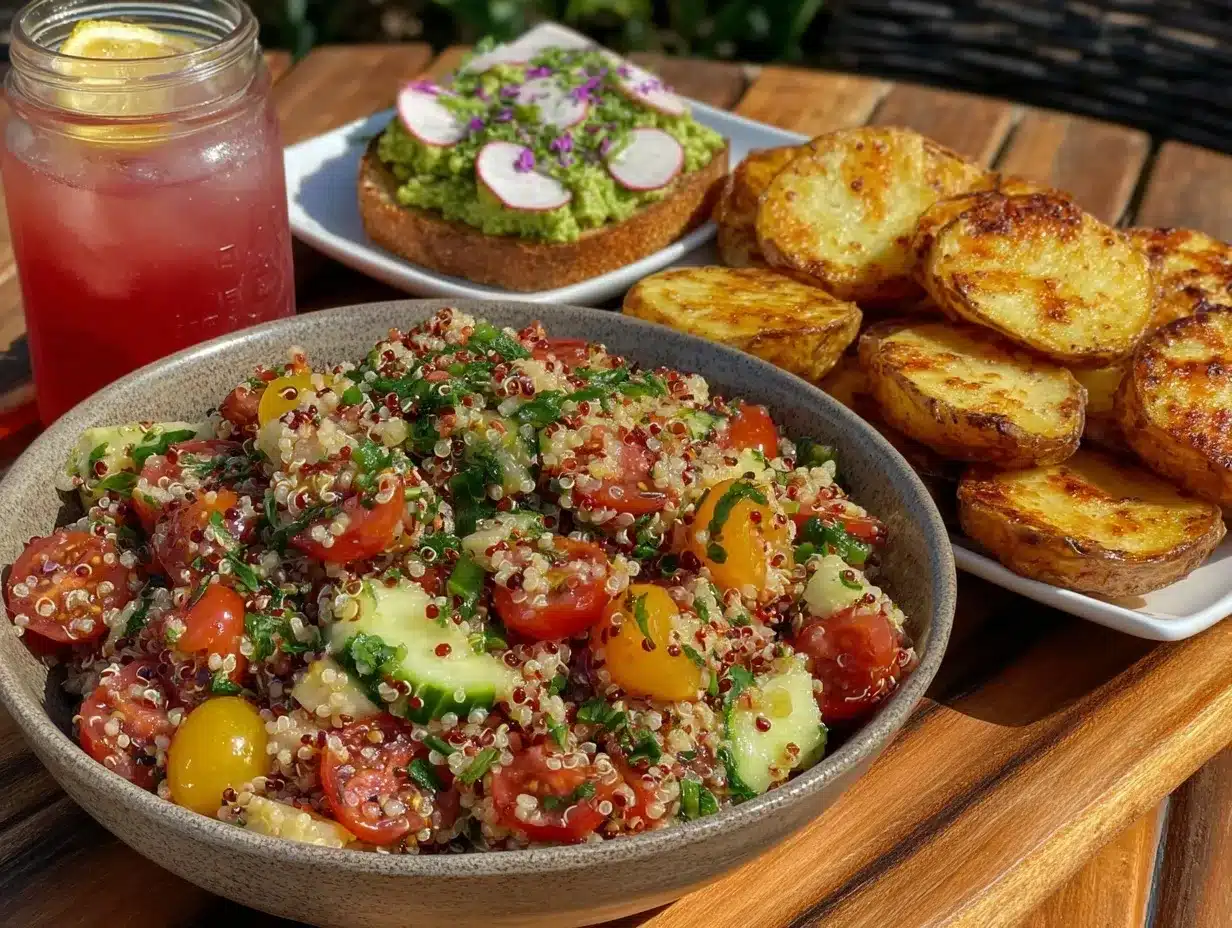
- Plan Ahead (10 minutes): Before you start cooking, gather all your ingredients and equipment. It saves time and keeps you organized. For example, if making a grilled chicken wrap, marinate your chicken first with olive oil, lemon juice, garlic powder, salt, and pepper. Let it sit for at least 10 minutes or up to an hour if you have time.
- Cook the Protein (15-20 minutes): Heat your non-stick skillet over medium-high heat. Add the marinated chicken and cook each side for 5-7 minutes until golden brown and cooked through (internal temperature around 165°F or 74°C). For beans or canned tuna, simply drain and rinse as needed.
- Prepare the Grains or Base (10-15 minutes): Boil pasta or rice in salted water according to package instructions. For pasta, al dente is best for salads or wraps. Drain and rinse with cold water if making a cold dish to cool it quickly.
- Chop Fresh Ingredients (5-10 minutes): Dice cucumbers, tomatoes, bell peppers, and chop herbs. Keep textures varied—crisp veggies add a refreshing crunch. I like to tear basil leaves by hand rather than chopping; it releases more aroma.
- Mix the Dressing or Sauce (5 minutes): Combine olive oil, vinegar or lemon juice, a touch of honey, salt, pepper, and any herbs or spices. Whisk until emulsified. Taste and adjust seasoning—sometimes a pinch of chili flakes or garlic powder adds a nice kick.
- Assemble the Dish (5 minutes): Toss grains, protein, and veggies in your dressing. For wraps, layer ingredients evenly and roll tightly. For bowls or salads, garnish with cheese or seeds for extra texture.
- Serve and Enjoy: Serve immediately or chill in the fridge for 20-30 minutes if you prefer cold dishes. This is great on hot days when you want something refreshing but filling.
One time I forgot to drain the pasta before mixing it with dressing—messy but edible! So, don’t stress if you make little slip-ups. The flavors usually pull through. Remember, a quick taste test before serving can save you from blandness or excess saltiness.
Cooking Tips & Techniques
When you’re juggling the chaos of student life, cooking fast and well is a skill worth having. Here are some tips I picked up that really help with these summer recipes:
- Marinate Smartly: Even 10 minutes can boost flavor, but overnight is ideal if you have the time. Use simple ingredients like citrus juice, olive oil, and spices.
- Keep It Cool: For salads or pasta dishes served cold, rinse cooked grains or pasta under cold water to stop cooking and cool down quickly.
- One-Pan Wonders: Use one skillet for protein and veggies to save time and cleanup. Just start with protein and add veggies later to avoid overcooking.
- Don’t Overload the Pan: Crowding causes steaming instead of searing. Cook in batches if needed; it really makes a difference in texture.
- Use Fresh Herbs at the End: Add chopped herbs right before serving to keep their flavor bright and fresh.
- Multitask: While grains cook, prep veggies or mix dressing to streamline your process.
I once burnt some garlic early on, which gave the whole dish a bitter edge. Lesson learned: add garlic later or watch closely. These small details make a big difference in flavor, but don’t let them intimidate you—cooking is part science, part art, and mostly trial and error.
Variations & Adaptations
These easy first apartment summer recipes for students are flexible, so you can tailor them to your tastes or dietary needs.
- Vegetarian/Vegan: Swap chicken with grilled tofu, tempeh, or extra beans. Use plant-based yogurt and cheese alternatives if needed.
- Spice Levels: Add fresh chilies, hot sauce, or extra chili flakes for a kick. Or tone it down with mild herbs and a squeeze of lime.
- Seasonal Swaps: Use summer squash, corn, or fresh berries for a seasonal twist. In cooler months, roasted root veggies or kale can replace the fresh salad components.
Personally, I love adding a spoonful of pesto to pasta salads for a flavor boost—makes the dish taste fancy with zero extra effort. If you don’t have a grill pan, oven-roasting proteins and veggies works well too, just watch cooking times. And if you’re gluten-free, rice noodles or quinoa can be great pasta alternatives.
Serving & Storage Suggestions
For summer meals, serving temperature really matters. Many of these dishes are best served chilled or at room temperature, especially on hot days. If you prefer warm meals, just reheat gently in a skillet or microwave to avoid drying out.
Pair these meals with light sides like fresh fruit, a green salad, or crunchy crudités. A chilled iced tea or sparkling water with lemon complements the fresh flavors nicely.
Store leftovers in airtight containers in the fridge for up to 3 days. Some dishes, like grain bowls or pasta salads, actually taste better after a few hours in the fridge once flavors mingle. For longer storage, proteins can be frozen—just thaw overnight in the fridge before reheating.
Reheat gently to keep veggies crisp and avoid sogginess. Sometimes, adding a splash of fresh lemon juice or a drizzle of olive oil after reheating brightens the flavors right back up.
Nutritional Information & Benefits
These easy first apartment summer recipes for students focus on balanced nutrition to keep you energized through long days. Expect meals rich in lean protein, fiber-packed veggies, and wholesome grains.
For instance, grilled chicken provides essential protein for muscle repair, while fresh vegetables offer vitamins and antioxidants that support overall health. Whole grains like quinoa or brown rice add slow-digesting carbs for sustained energy, crucial during study marathons.
Many recipes are naturally low in added sugars and unhealthy fats. Plus, you can easily adjust them to fit dietary needs—gluten-free, dairy-free, or vegan—without compromising flavor.
From personal experience, having meals that nourish both body and soul makes a huge difference in stamina and mood, especially during stressful semesters.
Conclusion
These easy first apartment summer recipes for students are more than just quick meals—they’re your culinary companions through late-night study sessions, casual hangouts, and the everyday hustle. They prove that cooking doesn’t have to be complicated or time-consuming to be delicious and satisfying.
Feel free to tweak these recipes to your taste or dietary needs. After all, your first kitchen is your playground, and every dish is a step toward confidence and creativity. I still make some of these dishes regularly—they’re comfort food that fits my busy schedule and keeps summer vibes alive.
If you try these recipes, I’d love to hear how they worked out for you! Share your twists or questions in the comments below—let’s make cooking your first apartment adventure something you look forward to.
FAQs
What are some quick summer recipes for students with limited kitchen equipment?
Focus on one-pan meals, salads, and no-cook dishes using fresh veggies, canned proteins, and simple grains. Most of the recipes here only need a skillet, pot, and basic utensils.
How can I keep my meals fresh and tasty during hot summer months?
Serve dishes chilled or at room temperature, use fresh herbs and citrus, and avoid heavy sauces that can spoil quickly. Storing leftovers properly in airtight containers in the fridge helps maintain freshness.
Are these recipes suitable for a vegetarian or vegan diet?
Yes! Many recipes can be easily adapted by swapping animal proteins with plant-based options like beans, tofu, or tempeh and using dairy alternatives.
How do I avoid common cooking mistakes when starting out in my first apartment?
Plan your steps, don’t overcrowd pans, season gradually, and taste as you go. Also, prepping ingredients before cooking helps keep things smooth.
Can I prepare these recipes in advance for meal prep?
Absolutely! Many dishes like pasta salads and grain bowls improve in flavor after chilling. Just store components separately if you want to keep textures crisp.
Pin This Recipe!
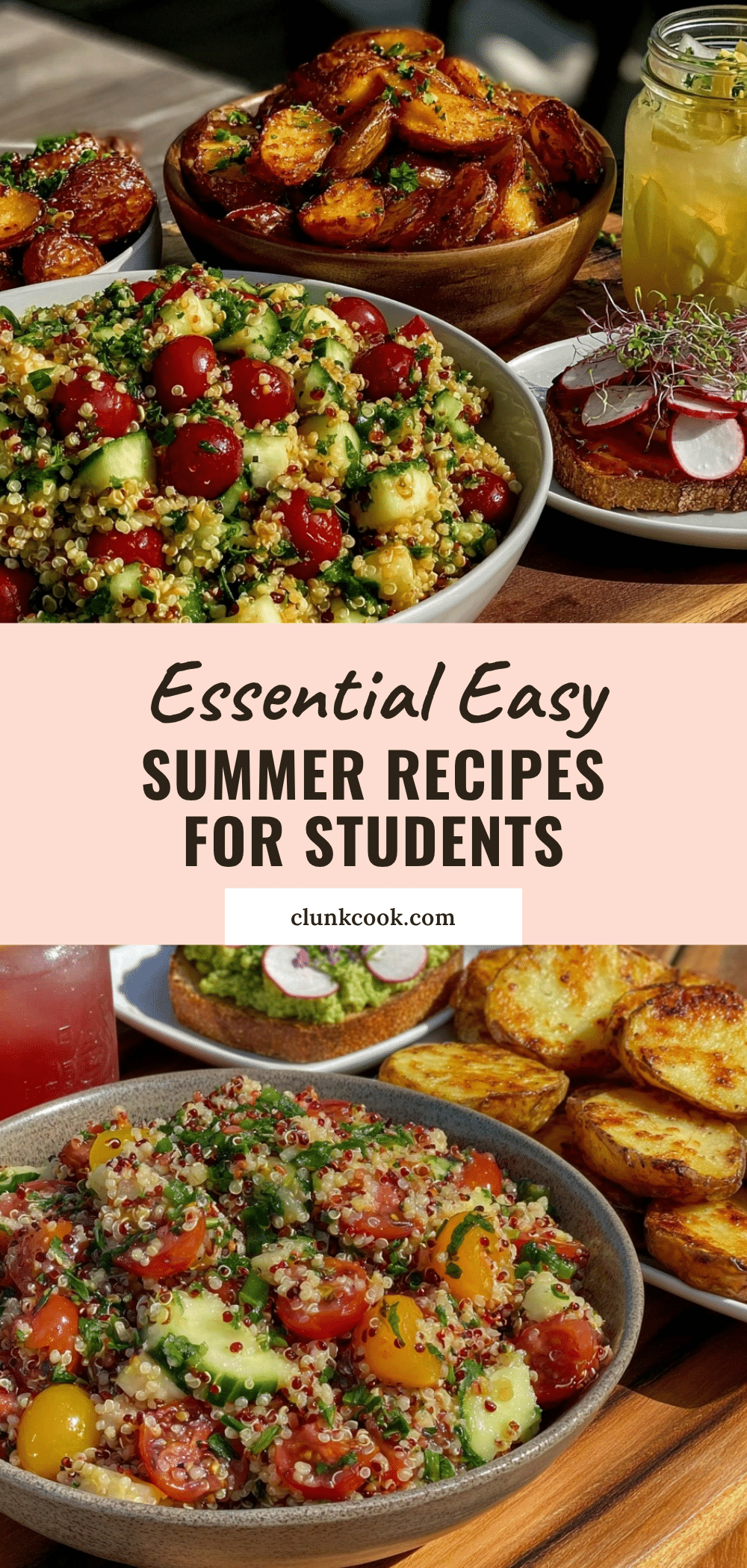
Easy First Apartment Summer Recipes for Students
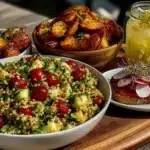
A collection of quick, easy, and delicious summer recipes perfect for students living in their first apartment, focusing on minimal fuss, fresh ingredients, and balanced nutrition.
- Prep Time: 15 minutes
- Cook Time: 20 minutes
- Total Time: 35 minutes
- Yield: 4 servings
- Category: Main Course
- Cuisine: American
Ingredients
- Cherry tomatoes
- Cucumbers
- Bell peppers
- Avocados
- Fresh herbs (basil, cilantro, parsley)
- Lemons or limes (for zest and juice)
- Boneless chicken breasts or thighs
- Canned beans (black beans or chickpeas)
- Eggs
- Canned tuna or salmon
- Quick-cooking pasta (penne or fusilli)
- Instant rice or quinoa
- Tortillas or flatbreads
- Shredded cheese (cheddar or mozzarella)
- Greek yogurt (or plant-based alternatives like coconut yogurt)
- Milk or plant-based milk (almond or oat milk)
- Olive oil
- Vinegar (balsamic or apple cider)
- Soy sauce
- Honey or maple syrup
- Garlic powder
- Chili flakes
- Salt
- Pepper
Instructions
- Plan ahead by gathering all ingredients and equipment. Marinate chicken with olive oil, lemon juice, garlic powder, salt, and pepper for at least 10 minutes.
- Heat a non-stick skillet over medium-high heat. Cook marinated chicken 5-7 minutes per side until golden and cooked through (165°F internal temperature). For beans or canned tuna, drain and rinse as needed.
- Boil pasta or rice in salted water according to package instructions. Drain and rinse with cold water if making a cold dish.
- Chop cucumbers, tomatoes, bell peppers, and herbs. Tear basil leaves by hand for more aroma.
- Mix dressing by combining olive oil, vinegar or lemon juice, honey, salt, pepper, and optional chili flakes or garlic powder. Whisk until emulsified.
- Assemble dish by tossing grains, protein, and veggies with dressing. For wraps, layer ingredients evenly and roll tightly. Garnish with cheese or seeds if desired.
- Serve immediately or chill in the fridge for 20-30 minutes for cold dishes.
Notes
Marinate chicken for at least 10 minutes or up to an hour for better flavor. Rinse cooked pasta or grains under cold water for cold dishes to stop cooking and cool quickly. Use fresh herbs at the end to preserve flavor. Avoid overcrowding the pan to prevent steaming. Store leftovers in airtight containers in the fridge for up to 3 days. Reheat gently to keep veggies crisp.
Nutrition
- Serving Size: 1 serving (approxima
- Calories: 350
- Sugar: 6
- Sodium: 450
- Fat: 12
- Saturated Fat: 3
- Carbohydrates: 35
- Fiber: 5
- Protein: 25
Keywords: easy summer recipes, student meals, quick dinners, first apartment cooking, healthy summer meals, one-pan meals, no-cook dishes