Love this? Save it for later!
Share the inspiration with your friends
Leo wasn’t trying to be a hero. I’d stopped by his apartment on a rainy Tuesday just to drop off a package I’d forgotten, and the scent of toasted pumpkin and warm cinnamon hit me before I even turned the doorknob. Honestly, it stopped me cold in the hallway. I mean, I know I’m supposed to be cool about these things, but that smell is basically a hug you can taste.
I walked in expecting to see him stressing over something, maybe arguing with a stubborn router or a laundry pile. Instead, I found him leaning against his counter, watching a loaf of sourdough rise like it was just another chore. He didn’t even look up when I entered. “Oh, hey,” he said, as if he wasn’t baking something that smelled like autumn itself.
The thing that got me was his attitude. He treated this bread like it was nothing special. Just discard, pumpkin, flour, water. He stirred it with a wooden spoon that looked like it had seen better decades, completely unbothered by the sticky mess on his hands. I stood there for a full minute, just watching him. He wasn’t performing. He wasn’t trying to impress me with his culinary skills. He was just making dinner.
I asked him for the recipe right then. He shrugged and told me to write it down on the back of a junk mail envelope. That was it. No fanfare, no secret ingredient list, no dramatic explanation of fermentation. Just a casual, “It’s easy, really.”
But let’s face it, it wasn’t easy for me at first. I spent weeks trying to replicate that loaf. I’ve burned batches, I’ve made dense bricks, and I’ve stared at dough that refused to rise. But I finally cracked it. This cozy pumpkin sourdough discard bread is the kind of recipe that stays with you because it’s so simple, yet so deeply comforting. It’s the bread you make when you want to feel grounded.
Maybe you’ve been there, standing in your kitchen, wondering if you can actually pull off sourdough without a PhD in biology. You’re not alone. I’m here to tell you that you can. And once you taste this, you’ll understand why I keep coming back to Leo’s kitchen story. It’s not about perfection; it’s about warmth. It’s about the joy of feeding people with something you made with your own two hands, even if you’re a bit messy about it.
Why You’ll Love This Recipe
There is a specific kind of magic that happens when you combine the tang of sourdough discard with the earthy sweetness of pumpkin. It’s not just another quick bread. It’s a texture experience. I’ve tested this recipe dozens of times—some batches were too dense, some were too sweet—but I’ve landed on the perfect balance. This isn’t just good; it’s the kind of bread that makes you close your eyes after the first bite.
Here is why this cozy pumpkin sourdough discard bread deserves a spot in your weekly rotation:
- Zero Waste Hero: Let’s be honest, sourdough discard can feel like a burden. It sits in the fridge, begging to be used. This recipe turns that “trash” into treasure. You use the discard directly, no feeding required, saving you time and reducing food waste.
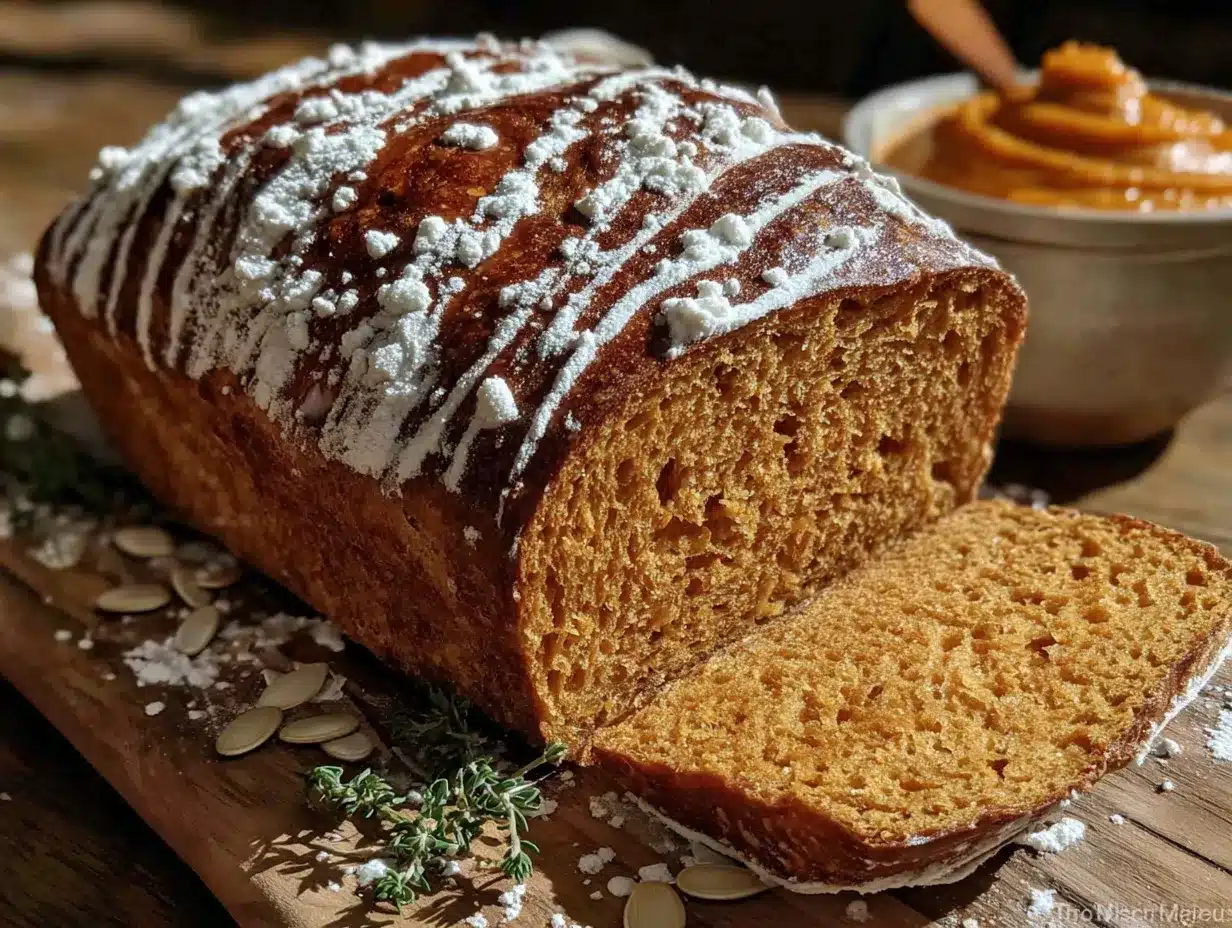
- Moist and Dense, Not Dry: Many pumpkin breads end up dry or crumbly. By using pumpkin puree and the natural acidity of the discard, this loaf stays incredibly moist for days. It has a tender crumb that falls apart gently, not shatters.
- Simple, Pantry Ingredients: You likely already have everything you need. Flour, sugar, spices, pumpkin, and your discard. No fancy flours or hard-to-find ingredients. It’s approachable baking at its finest.
- Perfect for Gift Giving: Wrapped in linen and tied with twine, this bread is a gift that keeps on giving. It’s perfect for neighbors, teachers, or anyone who needs a little cozy vibe this season.
- Quick Prep, Long Bake: The active prep time is minimal. You mix, you pour, you bake. The rest is passive. This makes it ideal for busy weeknights or lazy weekends when you want to bake without the stress.
What makes this version different from the rest is the texture. I’ve tried adding oil, butter, and eggs, but they all felt heavy. This recipe relies on the pumpkin for moisture and structure. It’s lighter than a traditional banana bread but heartier than a cake. It’s that sweet spot between breakfast toast and dessert treat.
I remember the first time I made this for my book club. One member asked if I’d bought it from a bakery. I laughed and told her it was just discard and pumpkin. She looked skeptical but took a bite anyway. Her face changed. That moment of surprise is why I bake. It’s the connection you build through food. This recipe is comfort food reimagined—healthier, faster, but with the same soul-soothing satisfaction. It’s perfect for impressing guests without the stress of complicated techniques.
What Ingredients You Will Need
This recipe uses simple, wholesome ingredients to deliver bold flavor and satisfying texture without the fuss. The beauty of sourdough discard baking is that it doesn’t require precision like yeast breads. You can eyeball a few things, but for consistent results, measuring is key. The pumpkin puree is the star here, providing moisture, color, and that classic fall flavor.
Here is what you’ll need to make this cozy pumpkin sourdough discard bread:
For the Wet Ingredients
- Sourdough Discard: 1 cup (240g). This should be unfed, active discard from your starter. If your starter is very liquidy, you might need slightly less flour. If it’s stiff, add a splash more water.
- Pumpkin Puree: 1 cup (245g). Use canned 100% pure pumpkin, not pumpkin pie filling. I recommend brands like Libby’s or Simple Truth for consistent texture. Fresh roasted pumpkin works too, but make sure to squeeze out excess water.
- Vegetable Oil: 1/2 cup (120ml). Neutral oil keeps the bread moist and tender. You can use melted butter if you prefer a richer flavor, but oil yields a softer crumb.
- Eggs: 2 large eggs, room temperature. These provide structure and help bind the ingredients. If you’re vegan, flax eggs work, but the texture will be denser.
- Vanilla Extract: 1 teaspoon. Pure vanilla enhances the warm spices. Don’t skip this; it adds depth.
For the Dry Ingredients
- All-Purpose Flour: 1 1/2 cups (190g). This is the base. Bread flour will make it chewier, but AP flour gives that tender loaf feel I love.
- Baking Soda: 1 teaspoon. Since we are using discard (which is acidic), baking soda is essential for lift. Baking powder can be added for extra rise if needed, but soda is key here.
- Baking Powder: 1/2 teaspoon. A little extra lift ensures the bread isn’t too dense.
- Salt: 1/2 teaspoon. Salt balances the sweetness. Don’t reduce this.
For the Flavor
- Granulated Sugar: 3/4 cup (150g). You can reduce this to 1/2 cup if you prefer less sweetness, but the sugar also helps with browning.
- Pumpkin Pie Spice: 2 teaspoons. If you don’t have this blend, mix 1 tsp cinnamon, 1/2 tsp ginger, 1/4 tsp nutmeg, and 1/4 tsp cloves.
- Ground Ginger: 1/2 teaspoon. Adds a spicy kick that complements the pumpkin.
- Cinnamon: 1 teaspoon. The backbone of fall flavor.
I always recommend using high-quality spices. Old spices lose their potency, and this recipe relies on them for flavor. If your spices have been sitting in the cabinet for two years, it’s time to replace them. Also, look for firm, small-curd cottage cheese if you want to add protein, but for this classic recipe, stick to the pumpkin.
Equipment Needed
You don’t need a fancy kitchen to make this bread. Most of the tools are standard items you probably already own. However, having the right equipment makes the process smoother and the results more consistent.
- 9×5 Inch Loaf Pan: This is the standard size. Light-colored metal pans are best because they conduct heat evenly and prevent the crust from burning. Dark non-stick pans may require lowering the oven temperature by 25°F.
- Baking Parchment Paper: I highly recommend lining your loaf pan with parchment. It makes removing the bread effortless and ensures easy cleanup. Just leave a little overhang on the sides to use as handles.
- Mixing Bowls: One large bowl for wet ingredients and one medium bowl for dry ingredients. Glass or ceramic bowls are nice because they don’t retain static, but plastic works fine too.
- Whisk and Spatula: A whisk is great for combining dry ingredients and beating the eggs. A rubber spatula is essential for folding the batter gently without overmixing.
- Cooling Rack: Essential for letting the bread cool properly. If you let it cool in the pan, the bottom can get soggy from trapped steam.
If you don’t have a 9×5 pan, you can use a smaller 8×4 pan, but you’ll need to reduce the baking time. Keep an eye on it. Also, if you don’t have parchment paper, grease the pan thoroughly with butter or oil and dust it with flour, but the parchment is truly a game-changer for cleanup.
Preparation Method
Making this cozy pumpkin sourdough discard bread is straightforward. The key is to mix it gently and bake it at the right temperature. Here is how to do it step-by-step.
- Preheat and Prep (5 minutes): Preheat your oven to 350°F (175°C). Line your 9×5 loaf pan with parchment paper. This is crucial. If you skip this, you’ll be scraping bread out of the pan later, and nobody wants that.
- Combine Wet Ingredients (3 minutes): In a large mixing bowl, whisk together the sourdough discard, pumpkin puree, vegetable oil, eggs, and vanilla extract. Mix until smooth. The batter will look a bit thin, which is normal. Don’t worry about lumps; they’ll disappear when you add the dry ingredients.
- Mix Dry Ingredients (2 minutes): In a separate medium bowl, whisk together the flour, baking soda, baking powder, salt, pumpkin pie spice, ground ginger, and cinnamon. Make sure there are no clumps of baking soda or spices. This ensures even distribution of flavor and lift.
- Combine Wet and Dry (2 minutes): Pour the dry ingredients into the wet ingredients. Use a rubber spatula to fold them together. Mix until just combined. It’s okay if there are a few small streaks of flour. Overmixing is the enemy here. Overmixing develops gluten, which makes the bread tough instead of tender. Stop mixing as soon as the flour disappears.
- Pour into Pan (1 minute): Pour the batter into your prepared loaf pan. Use the spatula to scrape the bowl clean and smooth the top of the batter. You want an even surface for uniform baking.
- Bake (50-60 minutes): Place the loaf in the preheated oven. Bake for 50 to 60 minutes. At the 40-minute mark, check the bread. If the top is browning too quickly, tent it loosely with aluminum foil. This prevents the crust from burning while the inside finishes cooking.
- Test for Doneness (2 minutes): Insert a toothpick or skewer into the center of the loaf. It should come out clean or with a few moist crumbs, but no wet batter. If it’s wet, bake for another 5-10 minutes. The bread should also spring back lightly when touched.
- Cool Completely (1 hour): Remove the bread from the oven and let it cool in the pan for 10 minutes. Then, lift the bread out using the parchment paper overhang and place it on a cooling rack. Let it cool completely before slicing. This is the hardest part, but slicing warm bread can make it gummy.
I once rushed this step and sliced the bread while it was still hot. It was delicious, but the texture was weirdly dense. Patience pays off. Letting it cool allows the structure to set.
Cooking Tips & Techniques
There are a few tricks I’ve learned over the years that make this bread turn out perfectly every time. These aren’t just tips; they’re lessons learned from burnt loaves and dense bricks.
- Room Temperature Ingredients: Try to have your eggs and pumpkin puree at room temperature. Cold ingredients can shock the batter and make it harder to mix evenly. If you’re in a hurry, you can warm the eggs in a bowl of warm water for a few minutes.
- Don’t Overmix: I can’t stress this enough. Overmixing is the most common mistake. Mix until the flour is just incorporated. The batter will be thick and sticky. That’s good. It means the bread will be moist.
- Oven Thermometer: Ovens are rarely accurate. If you have an oven thermometer, use it. If your oven runs hot, you might need to lower the temperature by 25°F. If it runs cold, you might need to bake it longer.
- Pumpkin Puree Consistency: Canned pumpkin can vary in moisture content. If your puree looks watery, drain it in a fine-mesh sieve for 10 minutes before adding it to the batter. If it’s very thick, you might need a splash more milk or water.
- Storage for Freshness: This bread stays fresh at room temperature for up to 3 days. Store it in an airtight container or wrap it tightly in plastic wrap. If you live in a humid climate, refrigerate it to prevent mold.
I also recommend toasting slices of this bread. The crust gets crispy, and the inside gets warm and soft. It’s like a dessert toast. Add a slice of cream cheese or a smear of pumpkin butter for an extra treat.
Variations & Adaptations
While the classic recipe is delicious, you can tweak it to suit your tastes or dietary needs. Here are a few variations I’ve tried and loved.
- Gluten-Free Option: You can substitute the all-purpose flour with a 1:1 gluten-free flour blend. Look for blends that contain xanthan gum, or add 1/2 teaspoon of xanthan gum to the dry ingredients. The texture will be slightly denser, but still moist.
- Vegan Adaptation: Replace the eggs with two flax eggs (2 tablespoons ground flaxseed mixed with 6 tablespoons water, let sit for 5 minutes). You can also use maple syrup instead of sugar if you prefer a natural sweetener.
- Add-Ins: Fold in 1/2 cup of chocolate chips, walnuts, or pecans for extra texture and flavor. I love adding white chocolate chips for a sweet twist. Add them after mixing the wet and dry ingredients.
- Spice Level: If you like a spicier kick, add a pinch of cayenne pepper or increase the ginger. It adds a subtle warmth that pairs beautifully with the pumpkin.
- Mini Loaves: Divide the batter among three mini loaf pans. Bake for 30-35 minutes. These are perfect for gift-giving or individual portions.
I once made this with chopped pecans and it was a hit at a potluck. The crunch contrasted nicely with the soft bread. Don’t be afraid to experiment. Baking is a fun process.
Serving & Storage Suggestions
This cozy pumpkin sourdough discard bread is versatile. It’s great for breakfast, lunch, or dessert. Here is how to serve and store it for the best experience.
- Serving Suggestions: Serve slices warm with a dollop of whipped cream, cream cheese, or pumpkin butter. It pairs beautifully with a hot cup of coffee or chai tea. For a savory twist, serve it with a bowl of chili or soup.
- Reheating: To reheat, wrap a slice in a damp paper towel and microwave for 20-30 seconds. Or, toast it in the oven at 350°F for 5-10 minutes. This restores the freshness and crispness of the crust.
- Refrigerator Storage: Store the bread in an airtight container in the refrigerator for up to 5 days. This is helpful in humid weather to prevent mold. Let it come to room temperature before serving for the best flavor.
- Freezer Storage: This bread freezes beautifully. Wrap slices tightly in plastic wrap and place them in a freezer-safe bag. They will last for up to 3 months. Thaw at room temperature or reheat from frozen.
- Flavor Development: The flavors of this bread actually improve after a day or two. The spices meld together, and the bread becomes even more moist. If you can wait, let it sit overnight before slicing.
I often make two loaves at once. One for eating immediately and one for the freezer. It’s a lifesaver when you’re having a busy week and need a quick, comforting meal.
Nutritional Information & Benefits
This bread is a moderate treat, but it’s not overly indulgent. Here is an estimated nutritional breakdown per slice (assuming 10 slices per loaf):
- Calories: ~180 kcal
- Carbohydrates: 30g
- Sugar: 12g
- Fat: 5g
- Protein: 3g
- Fiber: 2g
Pumpkin is rich in vitamin A, potassium, and fiber. The sourdough discard adds probiotics, which are good for gut health. While this isn’t a health food, it’s a better alternative to store-bought quick breads that often contain preservatives and artificial ingredients. If you are watching your sugar intake, you can reduce the sugar to 1/2 cup without affecting the texture too much.
Conclusion
This cozy pumpkin sourdough discard bread is more than just a recipe. It’s a way to slow down and enjoy the simple pleasures of baking. It’s forgiving, delicious, and perfect for sharing. I hope you try it and find your own moments of joy in the kitchen.
Feel free to customize it with your favorite add-ins or spices. Make it your own. And if you do, I’d love to hear how it turned out. Leave a comment below with your thoughts, or share a photo on social media. Tag me so I can see your creations!
Baking is a journey, not a destination. Don’t be afraid to make mistakes. They’re just lessons in disguise. Enjoy this bread, enjoy the process, and enjoy the warmth it brings to your home.
Frequently Asked Questions
Can I use fresh pumpkin instead of canned?
Yes, you can use fresh pumpkin puree. Roast the pumpkin, scoop out the flesh, and blend it until smooth. Make sure to squeeze out excess water to avoid a soggy loaf.
Do I need to feed my sourdough starter before using it?
No, this recipe uses unfed sourdough discard. You can use it straight from the fridge. It adds tang and moisture without the need for rising time.
Can I freeze this bread?
Absolutely. Wrap slices tightly in plastic wrap and store them in a freezer bag. They will last for up to 3 months. Thaw at room temperature or reheat in the oven.
Why is my bread dense?
This could be due to overmixing the batter or using old baking soda. Make sure to mix gently and check the expiration date of your leavening agents.
Can I add nuts or chocolate chips?
Yes, fold in 1/2 cup of chopped nuts or chocolate chips after mixing the wet and dry ingredients. They add great texture and flavor.
Pin This Recipe!

Cozy Pumpkin Sourdough Discard Bread: Easy & Perfect
A moist, tender pumpkin bread made with sourdough discard, featuring simple pantry ingredients and warm fall spices. This zero-waste recipe yields a comforting loaf perfect for breakfast or dessert.
- Prep Time: 10 minutes
- Cook Time: 50-60 minutes
- Total Time: 1 hour 10 minutes
- Yield: 10 servings 1x
- Category: Dessert
- Cuisine: American
Ingredients
- 1 cup (240g) sourdough discard (unfed, active)
- 1 cup (245g) pumpkin puree (100% pure, not pie filling)
- 1/2 cup (120ml) vegetable oil
- 2 large eggs (room temperature)
- 1 teaspoon vanilla extract
- 1 1/2 cups (190g) all-purpose flour
- 1 teaspoon baking soda
- 1/2 teaspoon baking powder
- 1/2 teaspoon salt
- 3/4 cup (150g) granulated sugar
- 2 teaspoons pumpkin pie spice
- 1/2 teaspoon ground ginger
- 1 teaspoon cinnamon
Instructions
- Preheat oven to 350°F (175°C). Line a 9×5 inch loaf pan with parchment paper.
- In a large mixing bowl, whisk together sourdough discard, pumpkin puree, vegetable oil, eggs, and vanilla extract until smooth.
- In a separate medium bowl, whisk together flour, baking soda, baking powder, salt, pumpkin pie spice, ground ginger, and cinnamon.
- Pour dry ingredients into wet ingredients. Use a rubber spatula to fold until just combined. Do not overmix.
- Pour batter into prepared loaf pan and smooth the top.
- Bake for 50-60 minutes. If the top browns too quickly around the 40-minute mark, tent loosely with aluminum foil.
- Test for doneness by inserting a toothpick into the center; it should come out clean or with moist crumbs.
- Cool in the pan for 10 minutes, then lift out using parchment paper and place on a cooling rack to cool completely before slicing.
Notes
Ensure ingredients are at room temperature for best results. Do not overmix the batter to avoid a tough texture. If using fresh pumpkin, squeeze out excess water. The bread tastes better after sitting overnight as flavors meld. Can be stored at room temperature for 3 days or frozen for up to 3 months.
Nutrition
- Serving Size: 1 slice
- Calories: 180
- Sugar: 12
- Sodium: 250
- Fat: 5
- Saturated Fat: 1
- Carbohydrates: 30
- Fiber: 2
- Protein: 3
Keywords: pumpkin bread, sourdough discard, fall baking, easy bread recipe, gluten-free option, vegan option, zero waste baking