Love this? Save it for later!
Share the inspiration with your friends
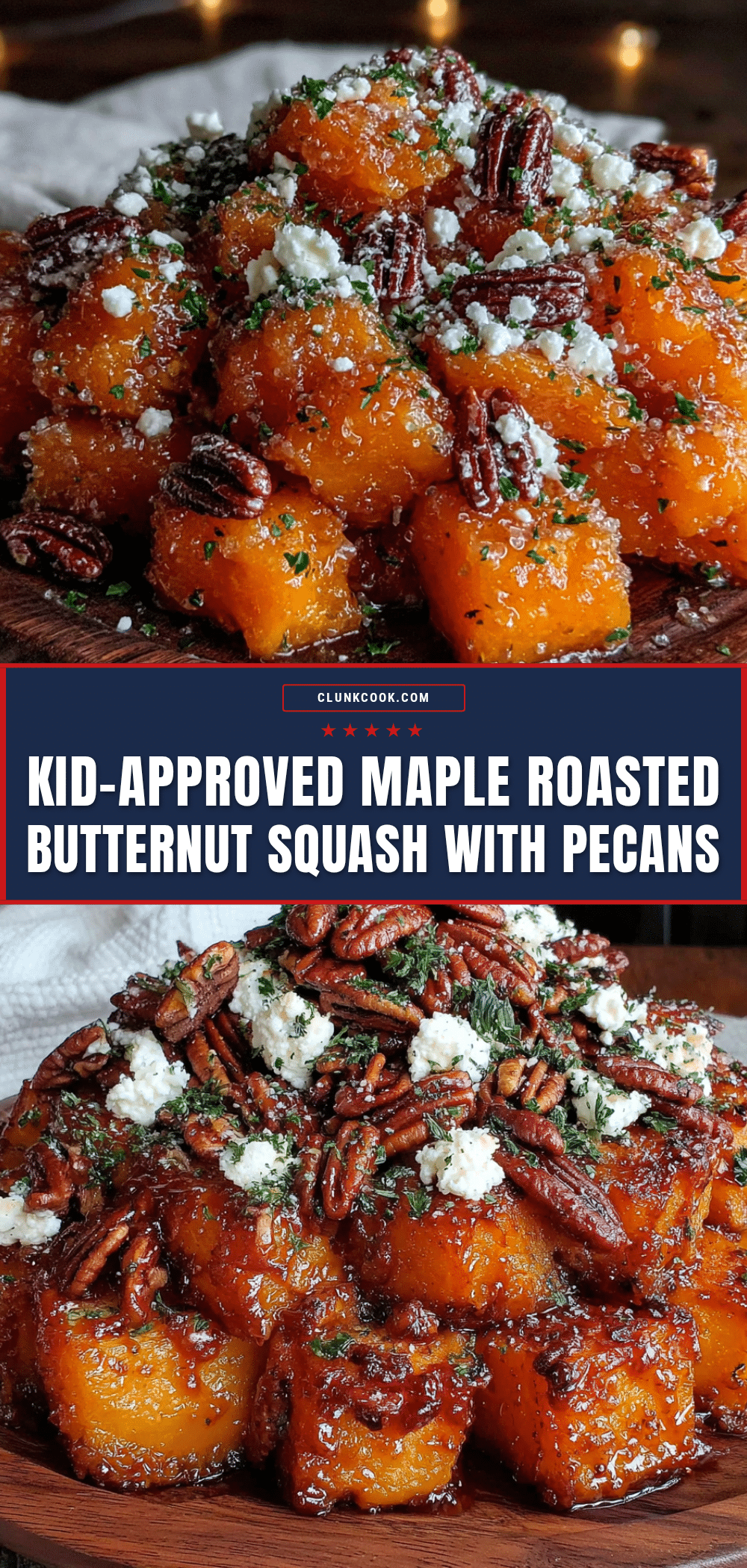
My neighbor Sarah wasn’t trying to impress anyone. I’d stopped by to borrow a cup of brown sugar—ironic, right?—and this smell hit me before I even got through her screen door. It was warm and sweet, but not dessert-sweet. More like the kitchen had been hugged by autumn itself. She was standing there in her stained apron, one hand on her hip, watching her kids—ages four and seven—actually fighting over vegetables. Vegetables! I mean, I’ve been writing recipes for years, and I still haven’t cracked that code. But there it was. Maple roasted butternut squash with pecans, sitting on a baking sheet like it was no big deal. She shrugged when I asked about it. “Oh, that? I just threw it together.” Let me tell you, that casualness drove me crazy—in the best way. I practically begged her for the details, and she rattled them off while stirring something on the stove, barely looking up. That’s the thing about the best recipes, honestly. They don’t come from a fancy test kitchen. They come from a tired mom who figured out what works. This easy maple roasted butternut squash with pecans has been in my regular rotation ever since, and maybe you’ve been there—standing in the produce aisle, wondering how to get your family to eat something orange that isn’t mac and cheese. This is your answer.
Why You’ll Love This Recipe
Look, I’ve tested this one more times than I care to admit. Burnt batches, undercooked cubes, a memorable incident involving too much cayenne—I’ve learned the hard way so you don’t have to. Here’s what makes this version the one you’ll come back to:
- Kid-Approved Magic: My own nephew, who once declared all vegetables “suspicious,” asked for seconds. The maple syrup does the heavy lifting here—it’s sweet enough to win over picky eaters without feeling like candy.
- Simple Ingredients: You need butternut squash, maple syrup, pecans, olive oil, salt, and maybe a pinch of cinnamon. That’s it. No weird spice blends or specialty store trips.
- Budget-Friendly: A whole butternut squash costs about the same as a fancy coffee drink, and it stretches to feed a family of four. Leftovers reheat beautifully, so nothing goes to waste.
- Busy Weeknight Hero: Active prep time is under 15 minutes. The oven does the rest. You can throw this together while helping with homework or unloading the dishwasher.
- Crowd-Pleaser: I’ve brought this to potlucks, Thanksgiving dinners, and casual Sunday suppers. It disappears every single time. Even the adults who “don’t like squash” change their tune.
What makes this recipe different from the dozens of roasted squash recipes out there? It’s the balance. The maple syrup caramelizes just enough to create those gorgeous, golden-brown edges, while the pecans add crunch and a little savory depth. It’s not too sweet, not too savory—it’s just right. Honestly, this is the kind of dish that makes you close your eyes after the first bite. It’s comfort food reimagined: healthier, faster, and with the same soul-soothing satisfaction. Perfect for impressing guests without stress, or turning a simple Tuesday dinner into something memorable.
What Ingredients You Will Need
This recipe uses simple, wholesome ingredients to deliver bold flavor and satisfying texture without the fuss. Most of these are pantry staples or easy to find at any grocery store. Here’s what you’ll need:
For the Squash
- 1 medium butternut squash (about 2-3 pounds / 900g-1.4kg) — Look for one that feels heavy for its size and has a firm, unblemished skin. I prefer squash with a longer neck because it’s easier to peel and has fewer seeds.
- 3 tablespoons maple syrup — Use pure maple syrup, not pancake syrup. The real stuff has a deeper, more complex sweetness that makes all the difference. I like Grade A Dark Amber for its robust flavor.
- 2 tablespoons olive oil — A good-quality extra virgin olive oil adds richness. You can also use avocado oil for a more neutral taste.
- 1/2 teaspoon salt — I use fine sea salt. It helps draw out the squash’s natural sweetness and balances the maple.
- 1/4 teaspoon black pepper — Freshly ground is best. It adds a subtle warmth without being spicy.
- 1/2 teaspoon cinnamon (optional) — This is my secret weapon. It complements the maple and makes the kitchen smell incredible. Skip it if you prefer a simpler flavor.
For the Pecan Topping
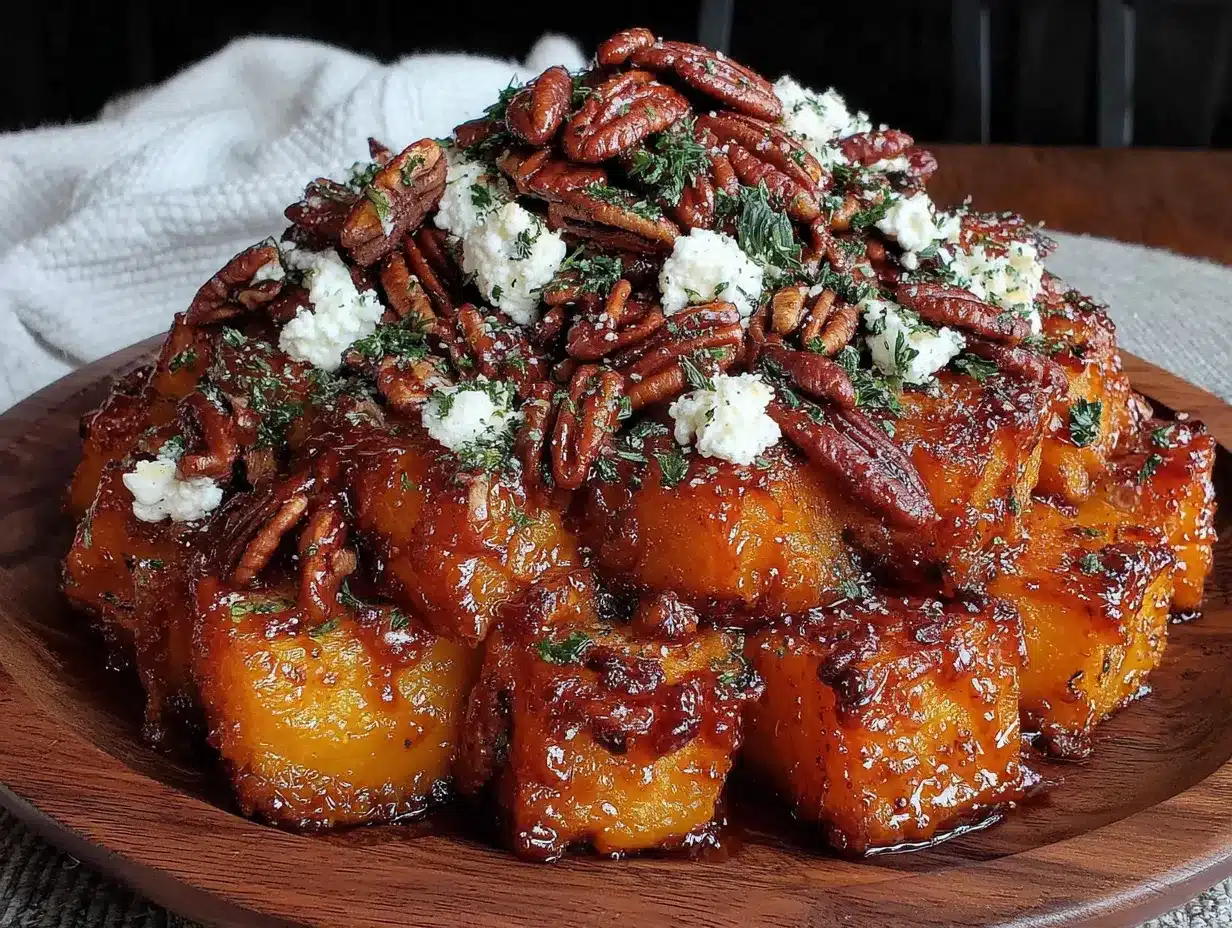
- 1/2 cup pecan halves (about 60g) — You can use chopped pecans if that’s what you have, but halves look prettier and give a satisfying crunch. Toast them lightly before adding for extra flavor.
- 1 tablespoon maple syrup — For glazing the pecans. This creates a sticky, caramelized coating that kids love.
- Pinch of salt — To cut the sweetness and make the pecans pop.
Substitution Guidance
- No butternut squash? Swap in peeled and cubed sweet potatoes, acorn squash, or even carrots. Cooking times may vary slightly, so keep an eye on them.
- Nut allergy? Skip the pecans entirely or use pumpkin seeds (pepitas) for a similar crunch. Sunflower seeds also work well.
- Maple syrup substitute? Honey or agave nectar can replace the maple syrup, but the flavor will change slightly. Honey is sweeter, so use about 2 tablespoons instead of 3.
- Oil-free option: You can roast the squash without oil, but the edges won’t get as crispy. Toss the cubes in a tablespoon of water or vegetable broth instead.
Equipment Needed
You don’t need fancy gadgets for this one. Here’s what I use:
- Sharp chef’s knife — A good knife makes peeling and cubing butternut squash infinitely easier. I’ve used a dull knife before, and let me tell you, it’s a recipe for frustration (and near-missed fingers).
- Vegetable peeler — A Y-shaped peeler works best for butternut squash. It glides over the curves more easily than a standard straight peeler.
- Large baking sheet — A rimmed baking sheet is ideal. It catches any sticky maple drips and prevents a mess in the oven. I use a half-sheet pan (18×13 inches).
- Parchment paper or silicone baking mat — This is non-negotiable for easy cleanup. Trust me, caramelized maple syrup is a nightmare to scrub off a bare pan.
- Mixing bowl — Any medium bowl works for tossing the squash with the oil and maple syrup.
- Spatula or wooden spoon — For stirring everything together.
If you don’t have a Y-shaped peeler, a regular one will do—just take your time. And if you’re really short on time, many grocery stores sell pre-cubed butternut squash. It costs a bit more, but it saves you the peeling and chopping. I use it on busy nights and don’t feel one bit guilty.
Preparation Method
Let’s get cooking. Follow these steps, and you’ll have a pan of golden, caramelized squash that even the pickiest eaters will love.
- Preheat your oven to 400°F (200°C). Line a large baking sheet with parchment paper or a silicone mat. This step is crucial—the maple syrup will caramelize and stick to the pan otherwise. I learned this the hard way after a 20-minute scrub session.
- Prepare the butternut squash. Using a sharp chef’s knife, carefully cut off both ends of the squash. Then, cut it in half where the narrow neck meets the round bulb. Stand each piece upright on a cutting board and use a vegetable peeler to remove the tough skin. It might feel a little awkward at first, but take your time. Once peeled, cut the bulb in half and scoop out the seeds with a spoon. (You can save the seeds and roast them later—they’re delicious!) Cut the squash into 1-inch cubes. Aim for uniform pieces so they cook evenly. I usually get about 4-5 cups of cubed squash from one medium squash.
- Toss the squash with the coating. In a large mixing bowl, combine the cubed squash, 3 tablespoons maple syrup, 2 tablespoons olive oil, 1/2 teaspoon salt, 1/4 teaspoon pepper, and 1/2 teaspoon cinnamon (if using). Use a spatula or your hands to toss everything until every cube is evenly coated. Don’t be shy—get in there and make sure the syrup and oil cling to all the nooks and crannies.
- Spread the squash on the baking sheet. Arrange the cubes in a single layer on the prepared baking sheet. Give them a little space—if they’re crowded, they’ll steam instead of roast, and you won’t get those lovely caramelized edges. If your baking sheet is too small, use two sheets or roast in batches.
- Roast for 25 minutes. Place the baking sheet in the preheated oven and roast for 25 minutes. Halfway through, use a spatula to flip the cubes. This ensures even browning. Your kitchen will start smelling incredible around the 15-minute mark—that’s the maple syrup doing its magic.
- Prepare the pecans. While the squash roasts, toss the pecan halves with 1 tablespoon maple syrup and a pinch of salt in a small bowl. Stir until the pecans are glossy and coated. Set aside.
- Add the pecans and finish roasting. After the initial 25 minutes, remove the baking sheet from the oven. Sprinkle the glazed pecans over the squash. Return the sheet to the oven and roast for another 10-15 minutes, until the squash is tender when pierced with a fork and the pecans are toasted and fragrant. The squash should have golden-brown edges—that’s the caramelized maple syrup at work.
- Rest and serve. Let the squash cool on the baking sheet for 5 minutes before transferring to a serving dish. This allows the caramelized coating to set slightly. Taste and adjust seasoning if needed—a tiny pinch of extra salt can make the flavors pop. Serve warm.
Cooking Tips & Techniques
I’ve made this easy maple roasted butternut squash with pecans more times than I can count, and I’ve picked up a few tricks along the way. Here’s what I wish someone had told me:
- Don’t skip the flipping. I know it’s tempting to just pop the pan in the oven and walk away, but flipping the squash halfway through is the difference between okay and spectacular. Those caramelized edges develop on the side touching the hot pan. Give every cube a chance to shine.
- Watch the pecans. Pecans can go from toasted to burnt in about 30 seconds. Keep an eye on them during the final roasting stage. If they start looking too dark before the squash is tender, just remove the pecans and continue roasting the squash on its own.
- Room temperature ingredients matter. Okay, this isn’t baking, so it’s not critical—but if your maple syrup is cold and thick, it won’t coat the squash as evenly. Let it sit out for 10 minutes before mixing.
- One of my biggest failures: I once used a dark baking sheet without parchment paper. The maple syrup burned on the bottom, and the whole batch tasted bitter. Now I always line my pan, and I never look back.
- Multitasking tip: While the squash roasts, prep the rest of your meal. This side dish is hands-off for most of the cooking time, so it’s perfect for busy weeknights. I often roast chicken thighs on a separate rack at the same temperature—everything finishes around the same time.
Variations & Adaptations
This recipe is wonderfully flexible. Here are some ways to make it your own:
- Savory Herb Version: Skip the cinnamon and add 1 teaspoon dried rosemary and 1/2 teaspoon garlic powder to the squash before roasting. The herbs balance the maple sweetness beautifully. I made this for a holiday dinner, and my brother-in-law asked for the recipe three times.
- Spicy Kick: Add 1/4 teaspoon cayenne pepper or red pepper flakes along with the salt and pepper. The heat plays off the maple syrup in a way that’s surprisingly addictive. My kids won’t touch this version, but my husband and I love it.
- Dairy-Free Indulgence: After roasting, drizzle the finished squash with a little coconut cream or a dairy-free yogurt sauce. It adds a creamy element that makes the dish feel extra special.
- Sheet Pan Meal: Turn this into a complete dinner by adding chicken thighs or sausages to the same baking sheet during the last 20 minutes of roasting. Everything cooks together, and the juices from the meat mingle with the maple glaze. Easy cleanup, happy family.
- Low-Sugar Option: Reduce the maple syrup to 2 tablespoons total (1 for the squash, 1 for the pecans). The squash still caramelizes nicely, just with less sweetness. You can also use a sugar-free maple syrup alternative.
Serving & Storage Suggestions
This dish is versatile enough to pair with almost anything. Here’s how to serve and store it:
- Serving temperature: Serve warm, straight from the oven. The contrast between the tender squash and crunchy pecans is at its peak right after roasting. That said, it’s also delicious at room temperature—I’ve been known to sneak a few cold cubes straight from the fridge the next day.
- Presentation tip: Transfer the squash to a shallow serving bowl and sprinkle with a few extra pecan halves and a light dusting of cinnamon. A sprinkle of fresh thyme or parsley adds a pop of green if you’re feeling fancy.
- What to serve with it: This pairs beautifully with roasted chicken, pork chops, grilled fish, or a simple green salad. For a vegetarian meal, serve it alongside quinoa or farro with a lemony dressing. It also makes a stunning side dish on a Thanksgiving or Christmas table.
- Storage: Store leftovers in an airtight container in the refrigerator for up to 4 days. The pecans will soften over time, but the flavor remains delicious.
- Reheating: Reheat in a 350°F (175°C) oven for 5-7 minutes to restore some of the crispy edges. You can also use a microwave, but the texture won’t be as good. For a quick fix, I sometimes toss leftovers into a warm skillet with a tiny splash of maple syrup.
- Freezing: You can freeze the roasted squash (without the pecans) for up to 3 months. Thaw in the refrigerator overnight and reheat in the oven. Add fresh toasted pecans after reheating for the best texture.
Nutritional Information & Benefits
This dish is as good for you as it is delicious. Here’s a rough breakdown per serving (about 1 cup, based on 4 servings):
- Calories: Approximately 220
- Fat: 12g (mostly from heart-healthy olive oil and pecans)
- Carbohydrates: 28g (with 5g fiber and 12g natural sugar from maple syrup and squash)
- Protein: 3g
- Vitamin A: Over 200% of the daily value—butternut squash is packed with beta-carotene, which supports eye health and immunity.
- Vitamin C: About 35% of the daily value—great for immune support, especially during cold and flu season.
- Fiber: 5g per serving—keeps you full and supports healthy digestion.
This recipe is naturally gluten-free, dairy-free, and vegetarian. For a vegan option, simply use maple syrup (which is already plant-based). The pecans add healthy fats and a little protein, making this a balanced side dish that even satisfies as a light main course. I love that I can serve this to my family knowing it’s packed with nutrients, and they just think they’re getting a treat.
Conclusion
This easy maple roasted butternut squash with pecans has become a staple in my kitchen, and I think it will become one in yours, too. It’s the kind of recipe that proves you don’t need complicated techniques or a dozen ingredients to make something truly special. The maple syrup caramelizes into golden perfection, the pecans add that irresistible crunch, and the whole thing comes together with minimal effort. Whether you’re feeding picky kids, hosting a holiday dinner, or just looking for a simple side dish to brighten up a weeknight meal, this recipe delivers every single time. I love how it makes the whole house smell like fall, even in the middle of summer. And honestly? I love that it came from a friend who wasn’t trying to be impressive. Those are always the best recipes. Give it a try, and don’t be afraid to make it your own—add a little extra cinnamon, swap in walnuts, or double the batch because trust me, leftovers are a good thing. I’d love to hear how it turns out for you. Drop a comment below and let me know your family’s verdict!
Frequently Asked Questions
Can I use pre-cut butternut squash from the store?
Absolutely. Pre-cut squash saves time and effort. Just keep in mind that the pieces may be uneven in size, so check for doneness a few minutes early. The total roasting time should be similar.
Can I make this recipe ahead of time?
Yes! You can roast the squash up to 2 days in advance. Store it in the refrigerator, then reheat in a 350°F oven for 5-7 minutes before serving. Add the pecans fresh for the best crunch.
My squash turned out mushy. What went wrong?
Mushy squash usually means it was overcrowded on the baking sheet. The cubes need space to release moisture and caramelize. Make sure they’re in a single layer with a little breathing room. Also, check your oven temperature—an oven that runs too cool can cause steaming instead of roasting.
Can I leave out the pecans?
Of course. The pecans add texture and flavor, but the maple roasted squash is delicious on its own. If you’re avoiding nuts, try pumpkin seeds or simply skip the topping entirely.
Is this recipe suitable for babies or toddlers?
Yes, with some modifications. Omit the salt and pecans for babies under 12 months. The maple roasted squash itself is soft and easy to mash. For toddlers, serve the squash cubes as finger food, but chop the pecans very finely or leave them out to reduce choking risk.
Pin This Recipe!
Easy Maple Roasted Butternut Squash with Pecans
This easy maple roasted butternut squash with pecans is a kid-approved, budget-friendly side dish that caramelizes to golden perfection with minimal effort. Perfect for busy weeknights or holiday feasts.
- Prep Time: 15 minutes
- Cook Time: 35-40 minutes
- Total Time: 50-55 minutes
- Yield: 4 servings 1x
- Category: Side Dish
- Cuisine: American
Ingredients
- 1 medium butternut squash (about 2–3 pounds / 900g-1.4kg)
- 3 tablespoons maple syrup
- 2 tablespoons olive oil
- 1/2 teaspoon salt
- 1/4 teaspoon black pepper
- 1/2 teaspoon cinnamon (optional)
- 1/2 cup pecan halves (about 60g)
- 1 tablespoon maple syrup (for pecans)
- Pinch of salt (for pecans)
Instructions
- Preheat your oven to 400°F (200°C). Line a large baking sheet with parchment paper or a silicone mat.
- Prepare the butternut squash: Cut off both ends, then cut in half where the narrow neck meets the round bulb. Stand each piece upright and peel with a vegetable peeler. Cut the bulb in half and scoop out seeds. Cut into 1-inch cubes.
- In a large mixing bowl, combine cubed squash, 3 tablespoons maple syrup, 2 tablespoons olive oil, 1/2 teaspoon salt, 1/4 teaspoon pepper, and 1/2 teaspoon cinnamon (if using). Toss until evenly coated.
- Spread the squash in a single layer on the prepared baking sheet, giving them space.
- Roast for 25 minutes, flipping halfway through.
- While squash roasts, toss pecan halves with 1 tablespoon maple syrup and a pinch of salt in a small bowl until glossy.
- After 25 minutes, remove baking sheet from oven. Sprinkle glazed pecans over squash. Return to oven and roast for another 10-15 minutes, until squash is tender and pecans are toasted.
- Let cool on baking sheet for 5 minutes before serving. Adjust seasoning if needed.
Notes
Don’t skip flipping the squash halfway through for even caramelization. Watch pecans closely as they can burn quickly. For a savory version, skip cinnamon and add dried rosemary and garlic powder. For a spicy kick, add cayenne pepper. Leftovers can be stored in the refrigerator for up to 4 days and reheated in a 350°F oven for 5-7 minutes.
Nutrition
- Serving Size: 1 cup
- Calories: 220
- Sugar: 12
- Sodium: 300
- Fat: 12
- Saturated Fat: 1.5
- Carbohydrates: 28
- Fiber: 5
- Protein: 3
Keywords: maple roasted butternut squash, roasted butternut squash with pecans, easy butternut squash recipe, fall side dish, vegetarian side dish, gluten-free side dish