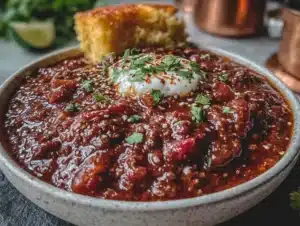
Love this? Save it for later!
Share the inspiration with your friends
“I swear, the grocery delivery was supposed to arrive yesterday,” I muttered, staring at an almost empty pantry last Wednesday evening. The week ahead looked bleak—no fresh veggies, no fancy sauces, barely enough staples to cobble together anything appetizing. Honestly, I was this close to ordering takeout for every meal, which, let’s face it, isn’t exactly my idea of a balanced week. But then, amidst the chaos, I remembered a little challenge I once heard about: crafting satisfying meals using just ten pantry ingredients. Seemed impossible—until I started pulling cans, jars, and forgotten packets from the shelves and got creative.
Maybe you’ve been there—scrambling to feed yourself or your family when the fridge is bare and the clock is ticking. That’s exactly how this recipe collection was born: a practical, no-nonsense plan for easy 10-ingredient pantry challenge meals for the week. I wasn’t trying to impress anyone; I was just trying to make dinner happen without running to the store. What I ended up with were dishes that tasted like they’d been simmering in a professional kitchen, but honestly, they came together faster than you can say “leftovers.”
It’s not just about using what you have—it’s about turning humble ingredients into meals that feel like a warm hug. One night, I even forgot to add the garlic (classic me), but the dish still rocked. That little imperfection reminded me that cooking doesn’t have to be perfect to be delicious. So, if you’re staring at a sparse pantry and wondering how to pull off real meals this week, let me tell you: these easy 10-ingredient pantry challenge meals are your kitchen lifesaver. Stick with me, and let’s make this week tasty, simple, and surprisingly fun.
Why You’ll Love This Recipe
Having tested these easy 10-ingredient pantry challenge meals countless times, I can confidently say they’re a game changer for busy weeks or those “what’s for dinner?” moments. These recipes come from real kitchen trials—some rushed, some relaxed—and each one passed the ultimate test: they’re tasty and fuss-free.
- Quick & Easy: Most dishes come together in under 30 minutes, perfect for last-minute meals or when you’re juggling a million things.
- Simple Ingredients: No need for fancy or obscure items; everything is pantry staples you probably already have or can grab easily.
- Perfect for Weeknight Meals: These recipes are designed for everyday dinners that don’t require hours of prep or cooking.
- Crowd-Pleaser: From picky eaters to food lovers, these meals get nods of approval without the fuss.
- Unbelievably Delicious: Don’t let the simplicity fool you—the flavor combos are thoughtfully balanced to bring comfort and satisfaction.
What sets these recipes apart is the intentional focus on minimal ingredients without sacrificing taste or texture. For example, blending canned beans for creamy sauces or adding a splash of acid to brighten flavors—small touches that make a big difference. Honestly, I’ve made these recipes for friends on busy nights, and they keep asking for more. It’s like comfort food, but smarter and faster. Whether you’re new to cooking or a seasoned home chef pressed for time, this meal plan takes the stress out of dinnertime while keeping the soul in the food.
What Ingredients You Will Need
This collection uses straightforward, pantry-friendly ingredients that work together to create satisfying dishes without the need for last-minute grocery runs. Most are staples like canned goods, dried grains, and basic spices. If you peek inside your kitchen right now, you might just find everything you need!
- For the Base:
- Dry pasta (penne or spaghetti) – choose your favorite shape
- Long grain rice or quick-cooking quinoa
- Canned beans (black beans, chickpeas, or white beans) – rinsed and drained
- For Flavor & Texture:
- Canned diced tomatoes (San Marzano or similar for best taste)
- Onion powder and garlic powder (or fresh garlic if you have it)
- Olive oil (extra virgin recommended for richness)
- Soy sauce or tamari (for a savory umami boost)
- Dried herbs like oregano, thyme, or Italian seasoning blend
- Optional but Recommended:
- Crushed red pepper flakes for a little heat
- Parmesan cheese or nutritional yeast for topping (adds depth)
If you want to swap anything, feel free—gluten-free pasta or brown rice work just as well. I personally lean on Barilla pasta for consistent texture and Goya canned beans because they’re firm and fresh tasting. For canned tomatoes, picking a quality brand really makes a difference. Also, when fresh garlic isn’t around, the powders step in nicely, especially when toasted briefly in olive oil to release their aroma.
Equipment Needed
These easy pantry recipes don’t ask for much in terms of gear, which is perfect if you’re keeping it simple or working with limited kitchen space.
- Large skillet or sauté pan: Essential for making sauces and sautéeing ingredients. I like a non-stick one for easy clean-up.
- Medium saucepan: For cooking pasta or grains. If you have a pot with a strainer lid, even better for draining.
- Mixing spoon or spatula: Wooden or silicone works great here to stir without scratching your pans.
- Measuring cups and spoons: Precision isn’t critical, but they help keep flavors balanced.
- Colander or sieve: Handy for rinsing beans or draining pasta.
If you don’t have a large skillet, a deep frying pan or even a small saucepan can work—you might just need to cook in batches. I’ve made these meals with as little as a microwave and a bowl during a kitchen renovation, so no worries. For olive oil, a simple pour spout bottle is useful to avoid over-pouring. And hey, if you love multitasking, prepping ingredients while the pasta cooks saves precious minutes.
Preparation Method
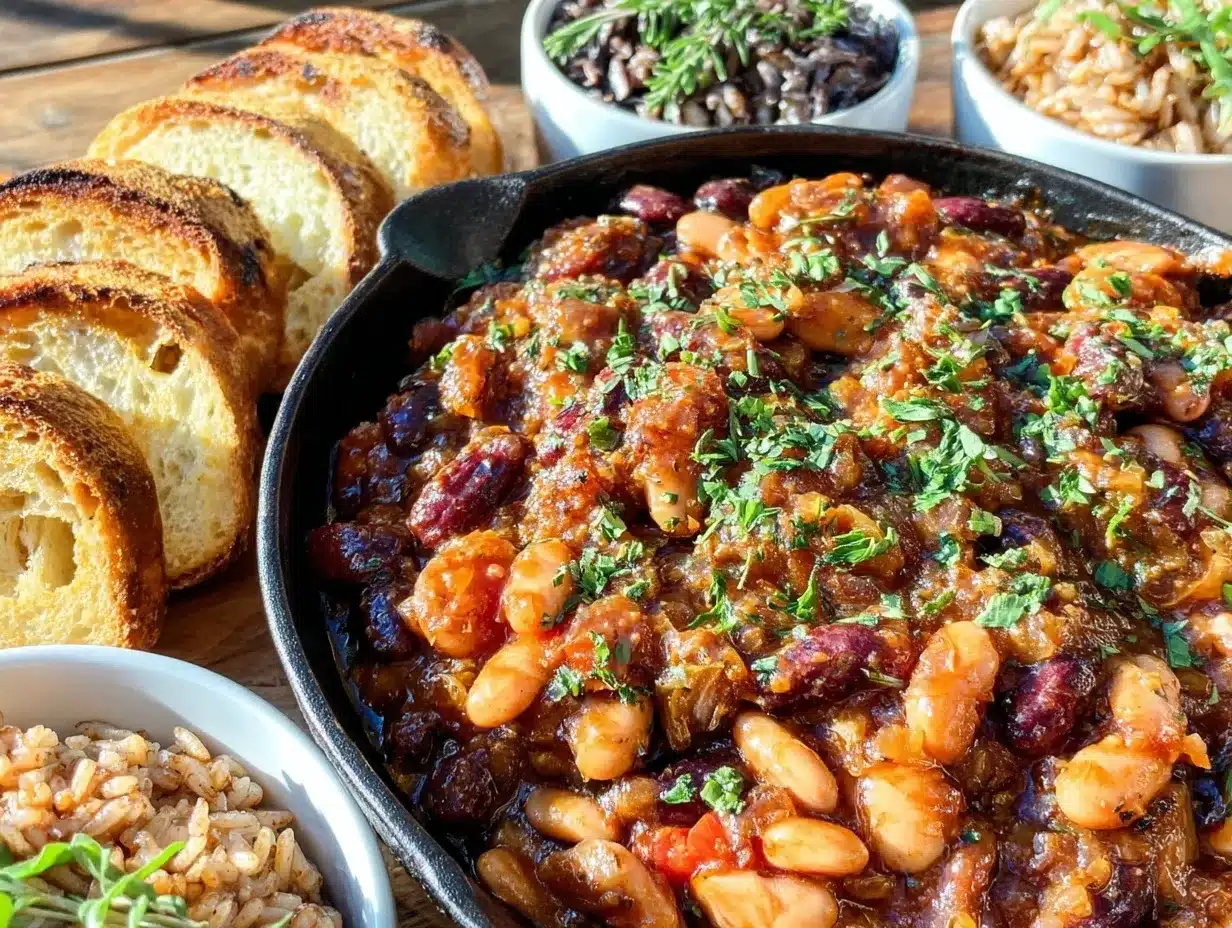
- Start by prepping your base: Bring a large pot of salted water to boil (about 4-6 quarts or 4-6 liters). Add 8 ounces (225 g) of dry pasta or 1 cup (190 g) of rice/quinoa. Cook according to package directions until al dente—usually 8-10 minutes for pasta, 15 minutes for rice. Drain and set aside.
- While the grain or pasta cooks, heat olive oil: In your skillet over medium heat, pour 2 tablespoons (30 ml) of olive oil. When shimmering, add 1 teaspoon (2 g) of onion powder and 1 teaspoon (3 g) of garlic powder. Toast for about 30 seconds until fragrant—don’t let it burn!
- Add canned diced tomatoes: Open one 14-ounce (400 g) can and pour it into the skillet. Stir and let it simmer gently for 5 minutes to reduce slightly and concentrate flavor.
- Incorporate your beans: Add 1 can (15 ounces/425 g) of rinsed beans to the skillet. Stir to combine with tomatoes and spices.
- Season the sauce: Add 1 tablespoon (15 ml) soy sauce or tamari, 1 teaspoon (1 g) dried oregano, and a pinch of crushed red pepper flakes if you like heat. Stir and let simmer another 5 minutes. Taste and adjust seasoning—add salt or pepper as needed.
- Mix base and sauce: Add cooked pasta or rice to the skillet. Toss well to coat everything evenly. If the mixture feels dry, splash in a little reserved pasta water or broth to loosen it up.
- Finish with optional toppings: Sprinkle 2 tablespoons (10 g) grated Parmesan or nutritional yeast over the dish. Stir gently and serve warm.
Heads up: If you’re using quinoa, rinse it before cooking to avoid bitterness. Also, when simmering the sauce, keep an eye on the heat to prevent sticking. I once got distracted by a phone call, and yep, a little sticking happened! But a splash of water and gentle scraping fixed it right up. Remember, the sauce should smell bright and slightly sweet when ready. Give it a taste test before combining with your grains.
Cooking Tips & Techniques
One trick I swear by is toasting dried spices in olive oil before adding liquids. It wakes up their flavor and adds a subtle depth you might miss otherwise. Also, rinsing canned beans well removes excess sodium and any canning flavors, making the final dish taste fresher.
When cooking pasta or grains, salt your water generously—it’s your only chance to season the base. For timing, start prepping your sauce while the pasta cooks to maximize efficiency. If you’re multitasking, chopping garlic or measuring spices ahead helps speed things up.
A common mistake is rushing the simmering step. Let your tomato and bean sauce hang out together for a few minutes; that’s when the magic happens. On a few occasions, I overdid the heat and ended with a slightly bitter sauce. Keeping it at medium or medium-low prevents burning and bitterness.
Lastly, don’t stress if your sauce seems thin at first. A quick simmer usually thickens it nicely. And if you want a creamier texture, mashing some beans right in the pan is a lovely little secret I use often.
Variations & Adaptations
You can easily switch up these pantry meals to suit your tastes or dietary needs. Here are a few ideas I’ve tried and loved:
- Vegetarian boost: Add a handful of frozen spinach or chopped kale in step 3 for extra greens. It sneaks in nutrients without fuss.
- Spicy twist: Swap crushed red pepper flakes for a dash of smoked paprika or chipotle powder to bring smoky heat.
- Protein swap: Use lentils instead of canned beans for a different texture and extra fiber.
- Gluten-free option: Replace pasta with gluten-free varieties or stick to quinoa and rice.
- Herb upgrade: Fresh basil or parsley stirred in at the end adds brightness if you happen to have some on hand.
One personal favorite variation is adding a spoonful of peanut butter into the sauce for a silky, nutty flavor—sounds unusual, but it really works! For a quick change-up, try cooking the sauce with a splash of coconut milk for creaminess and a touch of sweetness.
Serving & Storage Suggestions
These meals are best served warm, fresh from the pan. A drizzle of good olive oil or a sprinkle of cheese on top makes it feel a little special. I often serve them with a simple side salad or steamed frozen veggies for balance.
Leftovers store beautifully in the fridge for up to 4 days. Keep them in airtight containers to maintain freshness. When reheating, add a splash of water or broth to loosen the sauce and reheat gently on the stove or microwave to avoid drying out.
Freezing is also an option—portion into freezer-safe containers and thaw overnight in the fridge before reheating. Flavors tend to deepen after sitting, so sometimes I find leftovers even tastier the next day.
Pair these meals with a crisp white wine or a light iced tea for a refreshing contrast. And if you’re feeling adventurous, a squeeze of lemon juice right before serving wakes up the flavors beautifully.
Nutritional Information & Benefits
These pantry challenge meals are balanced and nourishing, offering a good mix of protein, fiber, and complex carbs. A typical serving (about 1.5 cups or 350 g) contains approximately 350-450 calories, depending on exact ingredients used.
Beans provide plant-based protein and fiber, supporting digestion and sustained energy. Olive oil adds heart-healthy fats, and canned tomatoes contribute antioxidants like lycopene. Using whole grains like brown rice or quinoa bumps up the fiber content even more.
For those mindful of allergens, these recipes are naturally gluten-free if you choose gluten-free grains and soy sauce alternatives. They’re also vegetarian and adaptable to vegan diets with simple swaps like nutritional yeast instead of cheese.
Personally, I appreciate how these meals help me stay on track with wholesome eating, even on hectic days. They’re comforting without being heavy, and that’s a win in my book.
Conclusion
So there you have it—easy 10-ingredient pantry challenge meals that turn simple staples into satisfying dinners all week long. Whether you’re staring at an empty fridge or just want quick meals without extra fuss, this plan’s got your back. The best part? You can tweak it endlessly to suit your taste and pantry situation.
I still make these dishes when life gets busy or when I want something reliable but tasty. Honestly, it’s like having a secret weapon for those ‘I don’t feel like cooking’ nights. Give these recipes a shot, and let me know how your week of pantry meals goes—I’d love to hear your twists and favorites!
Now, grab your favorite skillet, and let’s get cooking.
FAQs
Can I use fresh ingredients instead of canned for these recipes?
Absolutely! Fresh tomatoes, beans, or herbs can be used instead of canned, but keep in mind cooking times might increase slightly. Fresh ingredients add brightness but canned ones offer convenience and rich flavor.
What if I don’t have soy sauce or tamari?
You can substitute with Worcestershire sauce, coconut aminos, or even a bit of miso paste diluted in water. Each alternative adds umami but slightly different flavor notes.
Are these meals suitable for meal prep?
Yes, they store well in the fridge and can be portioned out for lunches or dinners during the week. Just reheat gently and add a splash of liquid if the sauce thickens too much.
Can I add meat or seafood to these pantry meals?
Definitely! Cook and add shredded chicken, canned tuna, or cooked sausage for extra protein. Just adjust seasoning and cooking time accordingly.
How can I make these recipes spicier or milder?
Adjust crushed red pepper flakes or smoked paprika to taste. For milder versions, omit spicy ingredients and consider adding a touch of sweetness like honey or maple syrup to balance flavors.
Pin This Recipe!
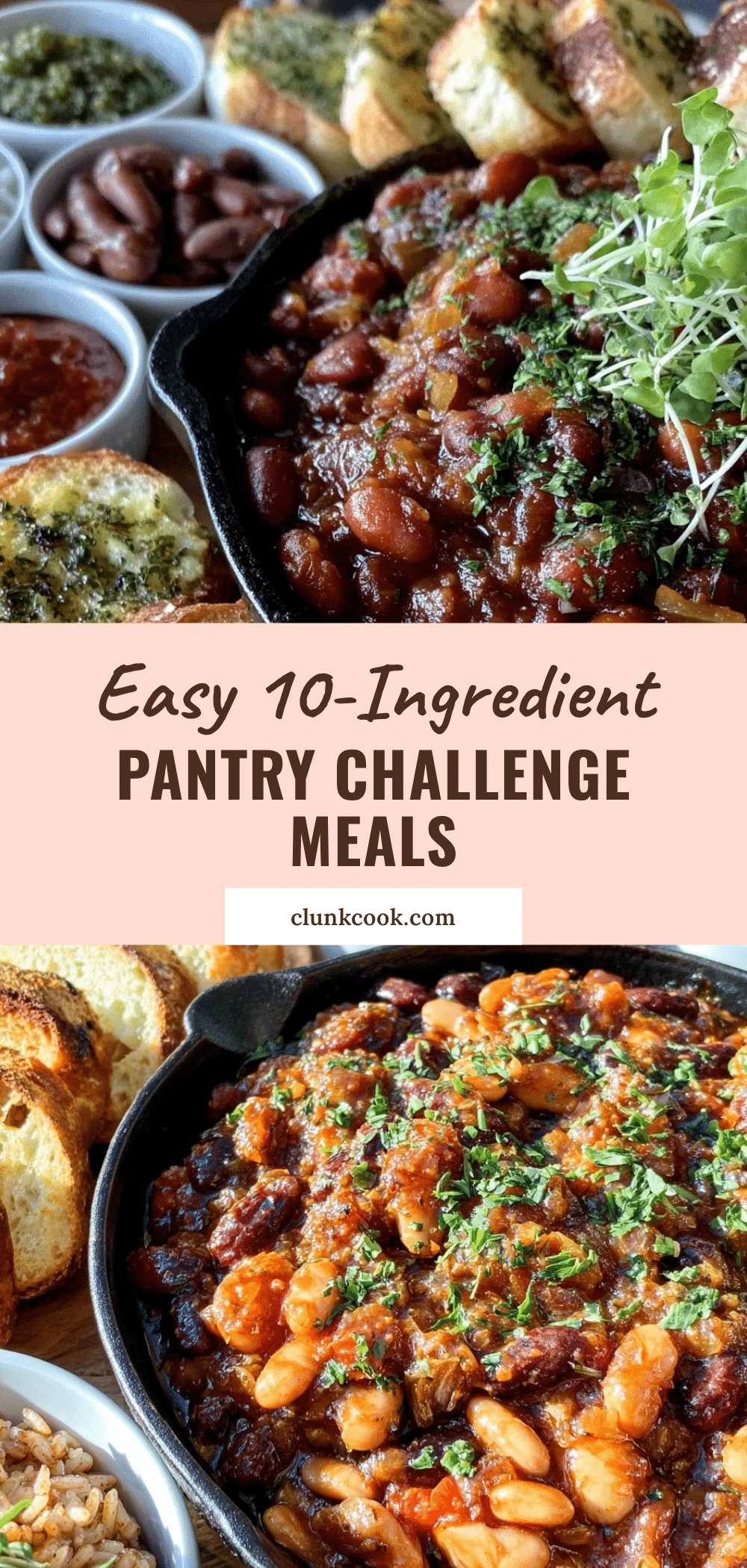
Easy 10-Ingredient Pantry Challenge Meals for the Week
A practical meal plan using just ten pantry ingredients to create quick, tasty, and fuss-free meals perfect for busy weeks or last-minute dinners.
- Prep Time: 5 minutes
- Cook Time: 25 minutes
- Total Time: 30 minutes
- Yield: 4 servings 1x
- Category: Main Course
- Cuisine: American
Ingredients
- 8 ounces dry pasta (penne or spaghetti) or 1 cup rice/quinoa
- 1 can (14 ounces) diced tomatoes
- 1 can (15 ounces) canned beans (black beans, chickpeas, or white beans), rinsed and drained
- 2 tablespoons olive oil (extra virgin recommended)
- 1 teaspoon onion powder
- 1 teaspoon garlic powder
- 1 tablespoon soy sauce or tamari
- 1 teaspoon dried oregano
- Pinch of crushed red pepper flakes (optional)
- 2 tablespoons grated Parmesan cheese or nutritional yeast (optional)
Instructions
- Bring a large pot of salted water to boil (about 4-6 quarts). Add 8 ounces (225 g) of dry pasta or 1 cup (190 g) of rice/quinoa. Cook according to package directions until al dente—usually 8-10 minutes for pasta, 15 minutes for rice. Drain and set aside.
- While the grain or pasta cooks, heat 2 tablespoons (30 ml) of olive oil in a skillet over medium heat. When shimmering, add 1 teaspoon (2 g) onion powder and 1 teaspoon (3 g) garlic powder. Toast for about 30 seconds until fragrant—do not let it burn.
- Add one 14-ounce (400 g) can of diced tomatoes to the skillet. Stir and let simmer gently for 5 minutes to reduce slightly and concentrate flavor.
- Add 1 can (15 ounces/425 g) of rinsed beans to the skillet. Stir to combine with tomatoes and spices.
- Season the sauce with 1 tablespoon (15 ml) soy sauce or tamari, 1 teaspoon (1 g) dried oregano, and a pinch of crushed red pepper flakes if desired. Stir and let simmer another 5 minutes. Taste and adjust seasoning with salt or pepper as needed.
- Add cooked pasta or rice to the skillet. Toss well to coat everything evenly. If the mixture feels dry, splash in a little reserved pasta water or broth to loosen it up.
- Finish with optional toppings by sprinkling 2 tablespoons (10 g) grated Parmesan or nutritional yeast over the dish. Stir gently and serve warm.
Notes
Toast dried spices in olive oil before adding liquids to enhance flavor. Rinse canned beans well to reduce sodium and canning flavors. Salt pasta or grain cooking water generously. Keep sauce simmering at medium or medium-low heat to avoid burning. For creamier texture, mash some beans in the sauce. Variations include adding frozen spinach or kale, swapping spices for smoky heat, using lentils instead of beans, or adding peanut butter or coconut milk for richness.
Nutrition
- Serving Size: About 1.5 cups (350
- Calories: 400
- Sugar: 6
- Sodium: 600
- Fat: 12
- Saturated Fat: 2
- Carbohydrates: 55
- Fiber: 8
- Protein: 15
Keywords: pantry meals, 10-ingredient recipes, quick dinners, easy meals, weeknight meals, pantry challenge, simple ingredients