Love this? Save it for later!
Share the inspiration with your friends
“Three weeks into my first semester, and let me tell you—I was surviving on instant noodles and whatever was left in the fridge,” I confessed to my roommate one evening. The exhaustion from classes paired with the empty wallet made cooking feel like climbing a mountain in flip-flops. One rainy Thursday, while waiting for the campus bus, I struck up a conversation with a student who casually mentioned how they managed to eat well for just $25 a week. Honestly, I was skeptical. But she shared her secret: an easy 7-day student meal plan that didn’t require fancy ingredients or hours in the kitchen.
That night, I scribbled down the plan on a napkin—between forgetting my umbrella and juggling my grocery bags—and decided to give it a shot. The meals were simple, filling, and surprisingly tasty. I wasn’t just eating to survive anymore. I was eating to feel good, without breaking the bank or my already tight schedule. Maybe you’ve been there too—staring at the fridge, wondering how to stretch $5 into a dinner that actually satisfies. This meal plan is the answer I wish I had back then.
Let me tell you, it’s not about fancy ingredients or complicated cooking techniques. It’s about smart choices, easy recipes, and a bit of planning. I still keep this plan bookmarked for those weeks when time and money both run low. So, if you’re a student, a busy person on a budget, or just someone looking for simple, affordable meals, this easy 7-day student meal plan for $25 a week might just become your new best friend.
Why You’ll Love This Recipe
After testing and tweaking this budget-friendly meal plan over several semesters, I can safely say it’s one of the most practical and satisfying ways to eat well on a shoestring budget. Here’s why it works so well:
- Quick & Easy: Most meals come together in under 30 minutes, perfect when you’re juggling classes, work, or late-night study sessions.
- Simple Ingredients: No need for specialty stores. You’ll find everything at your local grocery or supermarket, often in bulk for extra savings.
- Perfect for Busy Students: Designed to fuel your brain and keep you energized without the stress of meal prep.
- Crowd-Pleaser: These dishes aren’t just budget-friendly—they’re tasty enough to impress roommates or friends.
- Unbelievably Delicious: It combines hearty flavors and comforting textures that make each meal feel like a treat, not a chore.
What sets this meal plan apart is the smart layering of ingredients and clever use of leftovers, designed to minimize waste while maximizing flavor. For example, cooking a big batch of rice can power several meals, and canned beans provide protein without the fuss. Plus, the plan includes some personal favorites like a peanut butter banana sandwich that’s both nostalgic and nourishing, and a veggie stir-fry that’s easy to customize.
This isn’t just a plan; it’s a lifesaver for anyone who’s ever stared blankly into a near-empty fridge at 8 PM and thought, “What now?” It’s about eating well, feeling good, and keeping your wallet happy—all at once.
What Ingredients You Will Need
This easy 7-day student meal plan uses straightforward, affordable ingredients that you probably already have or can easily grab. These staples build the foundation of your meals, balancing nutrition and flavor without fuss.
- Grains & Staples:
- White or brown rice (2 cups uncooked) – affordable and filling
- Rolled oats (1 cup) – perfect for breakfasts or snacks
- Whole wheat bread (1 loaf) – for sandwiches and toast
- Proteins:
- Dry or canned beans (black beans, chickpeas) – about 3 cups cooked or 2 cans
- Large eggs (6) – versatile and budget-friendly protein
- Natural peanut butter (1 jar) – a tasty protein-rich spread
- Vegetables & Fruits:
- Carrots (4 medium, chopped) – great raw or cooked
- Frozen mixed vegetables (1 bag, 12 oz/340 g) – convenient and nutritious
- Bananas (6 ripe) – perfect snack or smoothie base
- Onion (1 large) – adds flavor without many calories
- Garlic cloves (3) – flavor booster
- Dairy & Alternatives:
- Milk (1 quart/1 liter) or plant-based alternative – for cooking and oatmeal
- Plain yogurt (optional, 1 cup) – for snacks or dressings
- Pantry Essentials:
- Olive or vegetable oil (small bottle) – for cooking
- Salt and black pepper – basic seasoning
- Ground cumin and paprika (small jars) – add warmth and depth
- Soy sauce (optional, small bottle) – for stir-fry flavor
- Honey or sugar (small amount) – balances savory dishes
For brands, I like to pick store-brand canned beans and frozen veggies to save money without sacrificing quality. When fresh carrots or bananas are on sale, I stock up. If you want to swap white rice for quinoa or almond milk for cow’s milk, go for it! This plan is flexible, so feel free to adapt based on what’s available or your preferences.
Equipment Needed
Honestly, this meal plan doesn’t require fancy kitchen gadgets—just the basics you probably already own. Here’s what you’ll need:
- Medium-sized pot: For cooking rice, boiling eggs, and making oatmeal.
- Large non-stick skillet or frying pan: Perfect for stir-frying veggies and sautéing onions and garlic.
- Mixing bowls: For prepping ingredients and combining salads or dressings.
- Cutting board and sharp knife: Essential for chopping vegetables and fruit safely and quickly.
- Spoons and spatulas: For stirring and serving your dishes.
If you don’t have a non-stick skillet, a well-seasoned cast iron pan works just as well. For those on a tight budget, you can find affordable pots and pans at discount stores or secondhand shops—just make sure they’re clean and rust-free. Keeping your equipment clean and dry will help them last through many meal plans to come.
Preparation Method
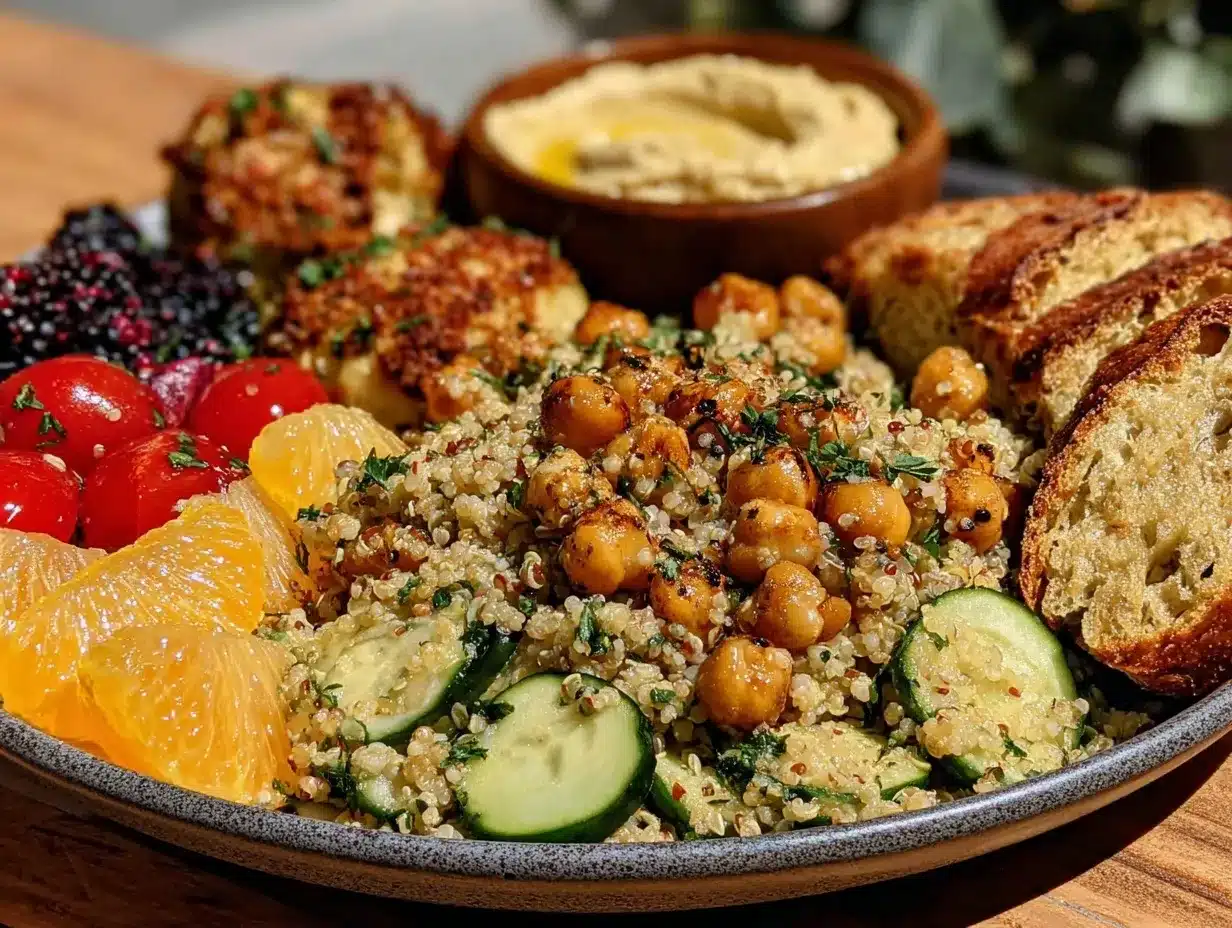
- Cook the rice: Rinse 2 cups (about 360 g) of rice under cold water until the water runs clear. Combine with 4 cups (960 ml) of water in your pot. Bring to a boil, then reduce heat to low, cover, and simmer for 18 minutes. Remove from heat and let it rest, covered, for 5 minutes. Fluff with a fork. This batch will fuel multiple meals.
- Prepare beans: If using canned beans, rinse them under cold water to reduce sodium. If dry, soak overnight and boil until tender (about 1 hour). Set aside 3 cups (about 450 g) cooked beans for the week.
- Chop vegetables: Dice one large onion and mince 3 garlic cloves. Chop 4 medium carrots into bite-sized pieces. These will be used in stir-fries, rice bowls, and soups.
- Make breakfast oats: Combine 1 cup (90 g) rolled oats with 2 cups (480 ml) milk or water in a pot. Cook over medium heat, stirring occasionally, until creamy (about 5 minutes). Sweeten with a drizzle of honey or sliced banana.
- Cook veggies stir-fry: Heat 1 tablespoon (15 ml) oil in a skillet over medium-high heat. Sauté onions and garlic until fragrant (2 minutes). Add carrots and frozen mixed veggies. Stir-fry for 5-7 minutes until tender but still crisp. Season with salt, pepper, and a splash of soy sauce, if using.
- Boil eggs: Place 6 eggs in a pot and cover with cold water. Bring to a boil and cook for 9 minutes for hard-boiled. Cool in cold water, peel, and store in the fridge for quick snacks or salad toppers.
- Assemble meals: Combine cooked rice, beans, and stir-fried veggies for a filling bowl. Use eggs and peanut butter banana sandwiches for variety and quick bites throughout the week.
- Store leftovers: Portion meals into airtight containers. Refrigerate for up to 4 days or freeze portions for up to a month. Reheat thoroughly before eating.
Pro tip: When chopping veggies, I like to listen to a podcast or playlist—it makes the prep feel less like a chore. Also, don’t stress if the carrots aren’t perfectly chopped; rustic cuts add charm and texture. If your rice turns out a bit sticky, just loosen it with a fork and a splash of water before reheating.
Cooking Tips & Techniques
Cooking on a budget and limited time can be tricky, but a few tips make a world of difference:
- Batch Cook Wisely: Cooking rice and beans in bulk saves time and energy. Store in the fridge, and you’ll have the base for countless meals ready to go.
- Manage Moisture: Frozen veggies can release water as they cook. To avoid soggy stir-fries, cook over medium-high heat and avoid overcrowding the pan.
- Season Gradually: Start with a little salt and spices, then taste before adding more. It’s easier to add than fix an over-salted dish!
- Egg Timing: For hard-boiled eggs, I learned the hard way that cooking too long leads to that dreaded green ring. Stick to 9 minutes for perfect yolks.
- Clean as You Go: Keeping your workspace tidy saves headaches later, especially when juggling multiple dishes.
- Use Leftover Flavors: Don’t toss vegetable scraps—save onion ends or carrot peels to make a simple broth for extra flavor in soups or rice.
One time I accidentally added sugar instead of salt to my rice—yeah, it was weird, but it made a tasty sweet rice snack! Mistakes happen, and sometimes they lead to new favorites. Just keep experimenting and keep your pantry stocked with essentials.
Variations & Adaptations
This meal plan is built for flexibility, so feel free to tweak it to your liking or dietary needs:
- Vegetarian & Vegan: This plan already leans vegetarian, but swap eggs and dairy with plant-based alternatives like tofu and almond milk for a vegan-friendly version.
- Gluten-Free: Use gluten-free bread or skip sandwiches entirely. Oats should be certified gluten-free if you have sensitivities.
- Seasonal Swaps: In warmer months, replace carrots with fresh zucchini or swap frozen veggies for fresh, local produce.
- Protein Boost: Add canned tuna or shredded rotisserie chicken for extra protein on days you want a little more heft.
- Spice it Up: Add chili flakes or hot sauce for an extra kick if you like bold flavors.
I once tried adding roasted sweet potatoes instead of carrots—unexpectedly delicious and worth repeating. Feel free to experiment with whatever’s on sale or what you have on hand!
Serving & Storage Suggestions
These meals are best enjoyed fresh but store well for busy weeks:
- Serving: Serve rice bowls warm with a sprinkle of black pepper and a squeeze of lemon if you have it. Peanut butter banana sandwiches are perfect cold or toasted slightly for a melty treat.
- Pairings: A simple side salad or some fresh fruit brightens up the plate. Tea or coffee pairs nicely with breakfast oats.
- Storage: Portion meals into airtight containers and refrigerate for up to 4 days. Freeze extras in meal-sized portions for up to a month to save time.
- Reheating: Microwave with a splash of water to keep rice moist. Stir-fry can be quickly reheated on the stove to retain texture.
- Flavor Development: Some dishes like bean and rice bowls taste even better the next day as flavors meld together.
One tip: if you’re reheating eggs, slice them and warm gently to avoid rubberiness. And don’t forget—sometimes the simple presentation is the most comforting.
Nutritional Information & Benefits
This meal plan balances carbs, protein, and fiber to keep you energized through long study sessions without feeling weighed down:
- Approximate calories per day: 1,600–1,800 kcal
- Protein sources: eggs, beans, peanut butter provide essential amino acids
- Fiber-rich ingredients: beans, oats, vegetables support digestion and satiety
- Low in added sugars and saturated fats, making it a heart-friendly option
- Gluten-free adaptable for those with sensitivities
Eating this way helped me maintain steady energy levels and avoid the dreaded “afternoon crash.” Plus, the inclusion of fruit and vegetables means you’re getting important vitamins and minerals without extra cost.
Conclusion
So, there you have it—an easy 7-day student meal plan for $25 a week that’s sensible, satisfying, and surprisingly delicious. I love this plan because it reminds me that good food doesn’t have to be complicated or expensive. Whether you’re a student, a busy professional, or just someone watching their budget, these meals can be your go-to for stress-free cooking.
Feel free to mix and match, swap ingredients, or add your favorite seasonings to make it truly yours. I’d love to hear if you try this out or have your own budget-friendly twists—drop a comment below and share your experience!
Remember, cooking doesn’t have to be perfect to be wonderful. Grab your groceries, take a deep breath, and enjoy the simple pleasure of a well-made meal.
FAQs
How can I make this meal plan even cheaper?
Buy ingredients in bulk, shop sales, and use store brands. Frozen and canned items often cost less and last longer.
Can I prepare meals ahead of time?
Absolutely! Batch cooking rice and beans at the start of the week saves tons of time, and many meals reheat well.
What if I don’t like beans?
Swap beans for lentils, chickpeas, or even canned chicken or tuna for protein.
Is this meal plan suitable for vegetarians?
Yes, it focuses on plant-based proteins and eggs but can be easily adapted for vegans by using alternatives for dairy and eggs.
How do I keep meals from getting boring?
Change up seasonings, add fresh herbs, or try different vegetables depending on what’s in season or on sale.
PrintEasy 7-Day Student Meal Plan for $25 a Week Perfect Budget Meals

A simple, affordable, and nutritious 7-day meal plan designed for students and busy individuals to eat well on a tight budget without spending hours cooking.
- Prep Time: 15 minutes
- Cook Time: 30 minutes
- Total Time: 45 minutes
- Yield: 4 servings 1x
- Category: Main Course
- Cuisine: American
Ingredients
- 2 cups uncooked white or brown rice
- 1 cup rolled oats
- 1 loaf whole wheat bread
- 3 cups cooked dry or canned beans (black beans, chickpeas) or 2 cans
- 6 large eggs
- 1 jar natural peanut butter
- 4 medium carrots, chopped
- 1 bag frozen mixed vegetables (12 oz / 340 g)
- 6 ripe bananas
- 1 large onion
- 3 garlic cloves
- 1 quart (1 liter) milk or plant-based alternative
- 1 cup plain yogurt (optional)
- Olive or vegetable oil (small bottle)
- Salt and black pepper
- Ground cumin (small jar)
- Paprika (small jar)
- Soy sauce (optional, small bottle)
- Honey or sugar (small amount)
Instructions
- Rinse 2 cups (about 360 g) of rice under cold water until the water runs clear. Combine with 4 cups (960 ml) of water in a pot. Bring to a boil, then reduce heat to low, cover, and simmer for 18 minutes. Remove from heat and let rest, covered, for 5 minutes. Fluff with a fork.
- If using canned beans, rinse under cold water to reduce sodium. If dry, soak overnight and boil until tender (about 1 hour). Set aside 3 cups (about 450 g) cooked beans for the week.
- Dice one large onion and mince 3 garlic cloves. Chop 4 medium carrots into bite-sized pieces.
- Combine 1 cup (90 g) rolled oats with 2 cups (480 ml) milk or water in a pot. Cook over medium heat, stirring occasionally, until creamy (about 5 minutes). Sweeten with a drizzle of honey or sliced banana.
- Heat 1 tablespoon (15 ml) oil in a skillet over medium-high heat. Sauté onions and garlic until fragrant (2 minutes). Add carrots and frozen mixed veggies. Stir-fry for 5-7 minutes until tender but still crisp. Season with salt, pepper, and a splash of soy sauce if using.
- Place 6 eggs in a pot and cover with cold water. Bring to a boil and cook for 9 minutes for hard-boiled. Cool in cold water, peel, and store in the fridge.
- Assemble meals by combining cooked rice, beans, and stir-fried veggies for a filling bowl. Use eggs and peanut butter banana sandwiches for variety and quick bites throughout the week.
- Portion meals into airtight containers. Refrigerate for up to 4 days or freeze portions for up to a month. Reheat thoroughly before eating.
Notes
Batch cook rice and beans to save time. Avoid overcrowding the pan when stir-frying to prevent sogginess. Season gradually and taste as you go. Store leftovers in airtight containers and reheat with a splash of water to keep rice moist. Slice eggs before reheating to avoid rubberiness. Feel free to swap ingredients based on availability or dietary needs.
Nutrition
- Serving Size: Approximately 1 bowl
- Calories: 16001800
Keywords: budget meals, student meal plan, easy recipes, affordable meals, quick cooking, healthy student food, meal prep, vegetarian, vegan adaptable, gluten-free adaptable